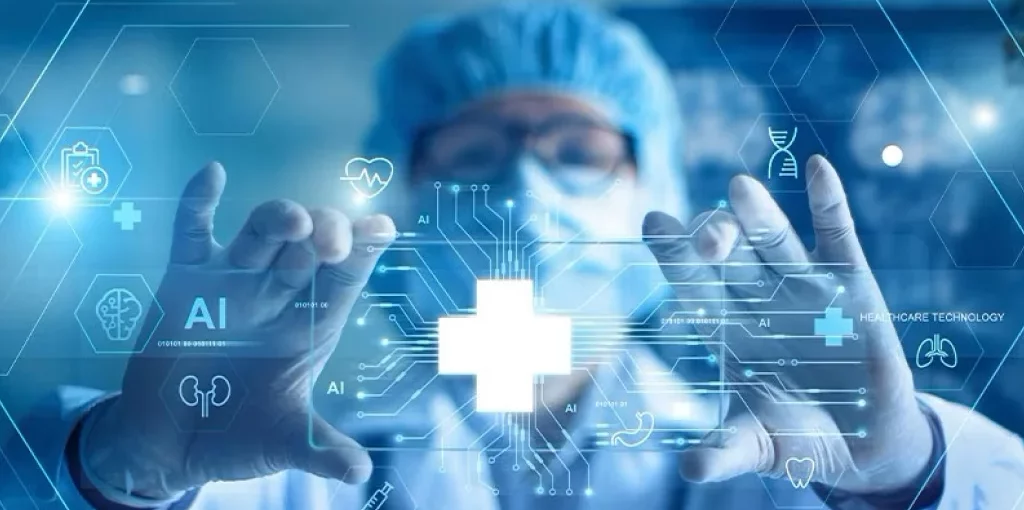
Artificial Intelligence-Enhanced Early Detection in Healthcare
One of the primary contributions of AI in healthcare lies in its ability to analyze vast amounts of medical data swiftly and accurately. Machine learning algorithms, a subset of AI, can sift through patient records, images, and diagnostic reports to identify patterns and anomalies that may elude the human eye. This enables early detection of diseases and enhances diagnostic precision.
For instance, AI-powered imaging analysis has shown remarkable capabilities in detecting subtle signs of diseases such as cancer in medical images like X-rays and MRIs. These technologies not only expedite diagnosis but also contribute to more effective treatment plans.
Personalized Treatment Plans
Artificial Intelligence excels in processing large datasets to generate insights into patient-specific factors, ranging from genetic information to lifestyle choices. This wealth of information allows healthcare providers to tailor treatment plans based on individual characteristics, optimizing outcomes and minimizing side effects.
Additionally, Artificial Intelligence-driven predictive analytics can forecast disease progression and patient response to specific interventions. This personalized approach to healthcare marks a departure from the one-size-fits-all model, ushering in an era where treatments are as unique as the individuals receiving them.
Drug Discovery and Development
The traditional drug discovery process is notoriously lengthy and resource-intensive. Artificial Intelligence is streamlining this journey by accelerating the identification of potential drug candidates. By analyzing biological data, AI algorithms can predict the efficacy and safety of new drugs, significantly reducing the time and cost associated with bringing novel therapies to market.
Moreover, Artificial Intelligence-driven simulations and modeling contribute to a deeper understanding of disease mechanisms, paving the way for more targeted drug development. This not only expedites the discovery process but also increases the likelihood of identifying breakthrough treatments for previously incurable conditions.
Virtual Health Assistants

Artificial Intelligence is making healthcare more accessible and patient-centric through the advent of virtual health assistants. These AI-powered chatbots and virtual assistants offer round-the-clock support, answering medical queries, providing medication reminders, and even offering emotional support. This not only enhances patient engagement but also alleviates the burden on healthcare professionals, allowing them to focus on more complex tasks.
Telemedicine, powered by AI, has become particularly vital in remote and underserved areas, bringing healthcare services to regions where they were previously scarce. The amalgamation of AI and telemedicine has proven invaluable during global health crises, enabling timely and remote medical consultations.
Predictive Analytics for Public Health
AI plays a pivotal role in bolstering public health initiatives through predictive analytics. By analyzing data from various sources, including social media, climate patterns, and historical health records, AI can predict disease outbreaks, identify potential hotspots, and streamline resource allocation.
For instance, during the COVID-19 pandemic, AI algorithms were employed to analyze patterns of virus spread, predict areas with high infection rates, and optimize the distribution of medical supplies. This foresight enhances the preparedness and responsiveness of healthcare systems in the face of emerging health threats.
Enhanced Robotic Surgery

In the realm of surgical interventions, AI has elevated precision and efficiency. Robotic surgery, guided by AI algorithms, allows for unparalleled accuracy, particularly in intricate and delicate procedures. Surgeons can leverage AI assistance for real-time analysis of data, enabling them to make informed decisions during surgery.
This integration of AI with robotics not only enhances surgical outcomes but also contributes to shorter recovery times and reduced postoperative complications. As technology advances, we can expect a broader adoption of AI-driven robotic systems in various surgical disciplines.
Cybersecurity in Healthcare

The digitization of healthcare records and the widespread use of interconnected devices have exposed the industry to cybersecurity threats. AI is stepping in as a formidable ally in safeguarding sensitive patient data. AI-powered cybersecurity systems can detect and thwart potential breaches, ensuring the confidentiality and integrity of patient information.
By constantly analyzing network traffic, AI algorithms can identify unusual patterns indicative of a cyberattack. This proactive approach to cybersecurity is paramount in an era where the protection of patient data is of utmost importance.
Conclusion
The integration of artificial intelligence into healthcare marks a paradigm shift, propelling the industry toward unprecedented heights of efficiency, accuracy, and patient-centric care. As we witness the relentless evolution of AI applications in healthcare, it becomes evident that this synergy has the potential to redefine medical practices, empower healthcare professionals, and enhance the well-being of individuals worldwide.
However, the adoption of AI in healthcare necessitates a careful balance between innovation and ethical considerations. As we embrace the transformative power of AI, it is imperative to prioritize data privacy, maintain transparency, and foster a collaborative approach among healthcare professionals, technologists, and policymakers. The future of healthcare, guided by the prowess of artificial intelligence, holds the promise of a healthier, more connected, and resilient world.