Kwipdeals

Welcome to our online store!

Refrigeration Defrost Cycles in Medical Labs

Refrigeration Defrost Cycles

Refrigeration defrost cycles and medical lab refrigeration plays a critical role in maintaining the integrity of samples, reagents, and other vital materials in medical and pathology labs. To ensure the reliable operation of these refrigeration units, it’s essential to comprehend the specific challenges faced in a laboratory setting. In this blog, we will delve into the significance of refrigeration defrost cycles in medical labs, exploring their importance in preserving valuable specimens.

The Role of Refrigeration Defrost Cycles in Medical Labs

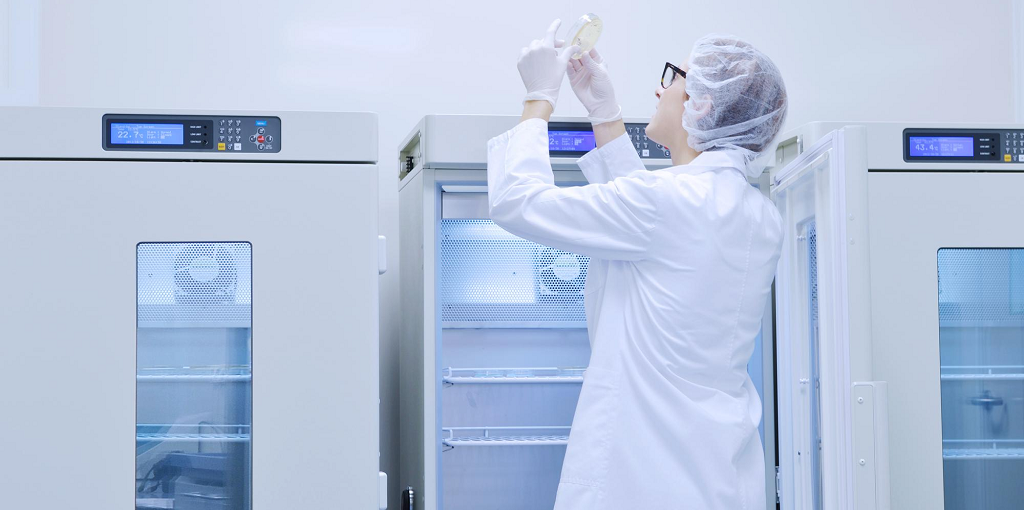
In medical and pathology labs, refrigeration defrost cycles is indispensable. It keeps blood samples and various diagnostic reagents at controlled temperatures.  Precise temperature control is vital to maintain the effectiveness of reagents  and the integrity of test samples. However, these refrigeration units encounter unique challenges due to frequent door openings, exposure to ambient humidity, and the need for consistent temperature control.

Most consumers do not consider the types of refrigeration defrost cycles when choosing a refrigerator or freezer for clinical, research, or laboratory usage. What they don’t realize is that putting temperature sensitive samples and reagents in the incorrect defrost cycle might cause them to be damaged, costing time and money.

Why should you be concerned about refrigerator defrost cycles?
refrigerator defrost cycles

Freezers will naturally create frost and ice, while refrigerators are commonly thought of as a machine that does not operate at temperatures below freezing. So why should you be concerned about a refrigerator’s defrost cycle? Even if the inside of the unit does not drop below freezing, The cooling evaporator tubes, coils, or plates that the refrigerator employs to regulate temperature do. Frost and ice can ultimately form and accumulate if no defrost occurs, and the type of refrigerator defrost cycle used can have a significant influence on inside cabinet temperatures.

The Challenge of Ice Buildup

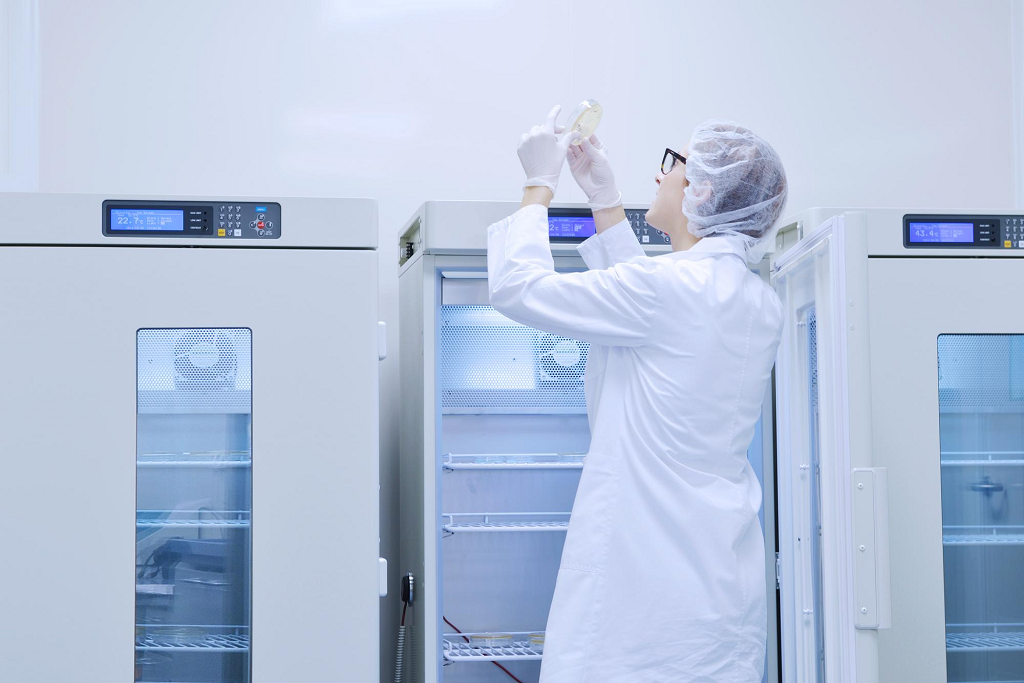
One common issue faced in lab refrigeration units is the accumulation of ice on the evaporator coils. This buildup occurs when moisture in the air condenses and freezes on the coils, a process aggravated by the frequent opening and closing of refrigerator doors. As ice accumulates, it poses several challenges:

  • Reduced Efficiency: Ice acts as an insulator, hindering the coils’ ability to absorb heat effectively. This reduces the overall efficiency of the refrigeration system.
  • Temperature Fluctuations: Ice buildup can lead to temperature fluctuations inside the unit, which is detrimental when storing temperature-sensitive materials.
  • Shortened Lifespan: The strain caused by inefficient operation can lead to increased wear and tear on the refrigeration equipment, potentially shortening its lifespan.
The Challenge of Ice Buildup

The Vital Role of Defrost Cycles

To address these issues, medical lab refrigeration systems are equipped with defrost cycles tailored to the unique demands of the environment. These defrost cycles are essential for several reasons:

  • Efficiency: Defrost cycles prevent excessive ice buildup, ensuring that the coils maintain optimal heat exchange capabilities. This translates to improved energy efficiency.
  • Temperature Stability: By preventing ice-related temperature fluctuations, defrost cycles help maintain a stable and controlled environment, crucial for preserving sensitive materials.
  • Equipment Longevity: Efficient defrost cycles reduce the strain on the system, extending the lifespan of the refrigeration equipment and reducing maintenance costs.

Types of Defrost Cycles in Refrigerators

Cycle Defrost

Cycle defrost and adaptive defrost are the two defrost techniques available for refrigerators. Cycle defrost, as the name suggests, occurs while the compressor is actually cycling (the normal on/off cycle). The refrigerator goes through this procedure frequently. Given that its cycles are shorter and more frequent, cycle defrost provides the best temperature stability. In contrast, adaptive defrost cycles have a tendency to be longer, which results in greater temperature fluctuations.

Adaptive Defrost Cycle

Only when defrosting is required will the refrigerator cycle start with adaptive defrost. whether the unit has too much built-up frost, this feature employs electrical controls to identify whether that is the case. The intervals between each defrost cycle in this technique are greater. As a result, the defrost cycle lasts longer and there may be prolonged periods of larger temperature swings. Although adaptive defrost refrigerators are great for saving energy, they should not be used to keep vaccinations or important samples.

How Defrost Cycles Work

In medical lab refrigeration units, defrost cycles operate as follows:

  • Detection: Sophisticated sensors detect the presence of ice on the evaporator coils. These sensors can measure temperature differentials, pressure changes, or even monitor humidity levels.
  • Initiation: When ice accumulation reaches a predetermined level, the system initiates the defrost cycle. This typically involves temporarily reversing the refrigeration cycle, diverting heat to the evaporator coils.
  • Ice Melting: As heat is directed onto the coils, it melts the ice, transforming it into liquid water. This water is then drained away or collected in a designated reservoir.
  • Resumption of Cooling: After a specific duration, the defrost cycle ends, and the system returns to its normal cooling operation. With the ice removed, the refrigeration unit can maintain precise temperature control.

Types of Defrost Cycles in Freezers

Auto Defrost (frost-free): There are two distinct techniques for freezer defrost cycles: automatic (frost-free) and manual. Similar to refrigerators, auto-defrost freezers include a timer and a heater that normally cycle through 2-3 times in a day. The auto-defrost units’ designs might vary, which affects both the cycle time and interior temperature. Temperature-sensitive samples within the device may be harmed by this potential temperature increase of up to 15°C.

Manual Defrost: It takes more effort to manually defrost a freezer since you must physically switch it off or disconnect it. Additionally, you must move objects swiftly between freezers so that you can clean up when the ice has thawed. Not having to worry about temperature spikes like those observed in auto-defrost freezers is the main benefit of the manual defrost method. Spikes in temperature have the potential to harm items that are sensitive to it, particularly biological samples like enzymes.

Ensuring Reliable Storage

In the demanding environment of medical and pathology labs, precise temperature control is non-negotiable. The careful management of defrost cycles ensures that refrigeration units operate at peak efficiency, guaranteeing the integrity of critical lab materials. As technology continues to advance, the future of lab refrigeration holds even more promise, with innovations aimed at further enhancing temperature control and energy efficiency. By understanding the role of defrost cycles, lab professionals can ensure the reliability of their refrigeration systems and the preservation of valuable specimens.

To learn more about defrost cycles and the laboratory refrigerators & freezers or medical refrigerators and medical freezers Kwipdeals offers, please contact our specialists.

~ Warm regards,

Dr. Dipti Charisma Ekka, MBBS, MD, MHA

Leave a Reply

Your email address will not be published. Required fields are marked *

Select the fields to be shown. Others will be hidden. Drag and drop to rearrange the order.
  • SKU
  • Rating
  • Price
  • Stock
  • Availability
  • Add to cart
  • Weight
  • Dimensions
  • Additional information
  • Image
Click outside to hide the comparison bar
Compare
Shopping cart close
brand