
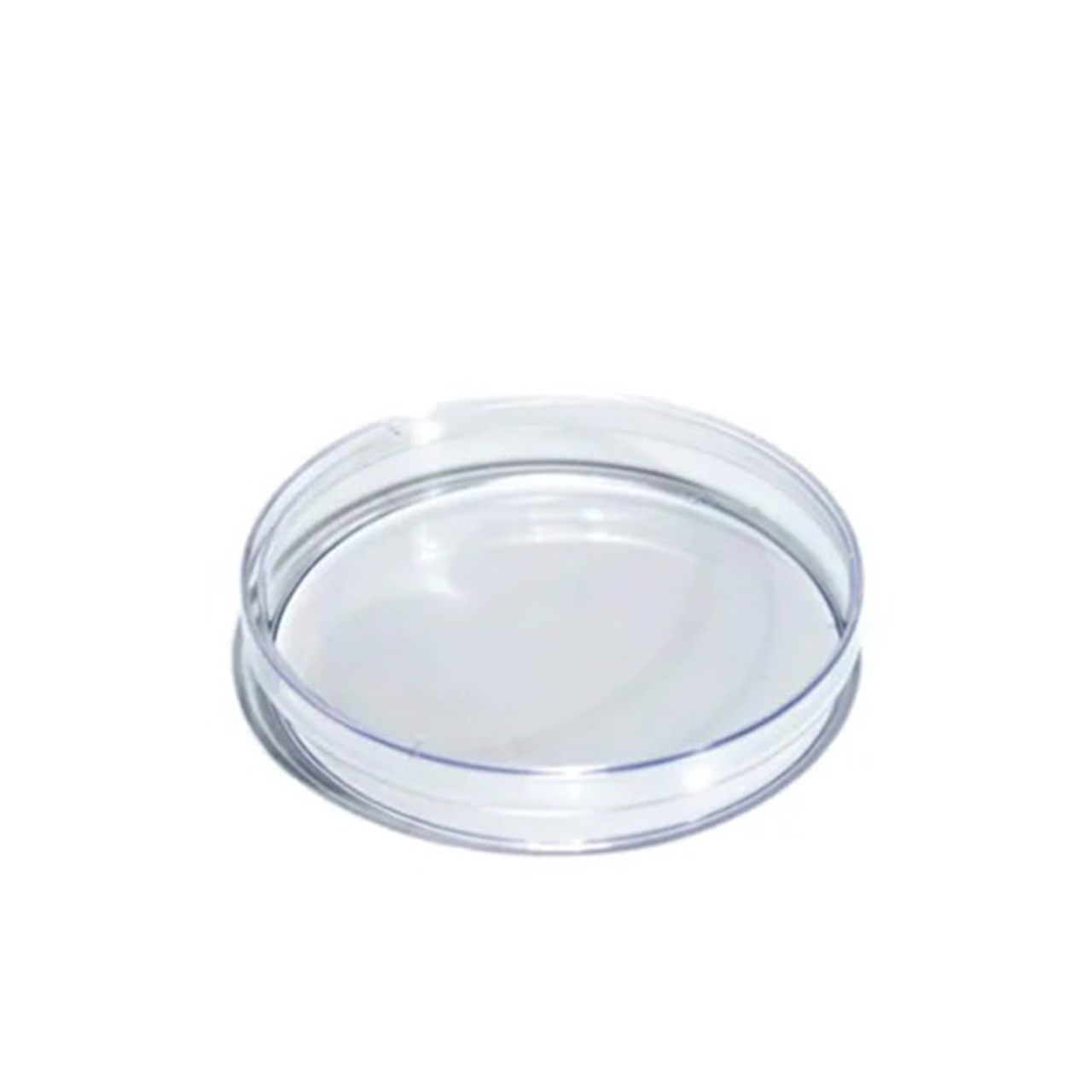
Petri dish
Login to view prices
MB Lab Consumables Petri Plates are made out of High Quality Polystyrene / Polypropylene to impart a highly glossy and optically transparent surface.The Petri plates are individually packed in automated sealing plant to ensure a high sealability, hence preserving the sterility of the product.

Related products

Frequently Asked Questions
What is a Petri dish?
A Petri dish is a shallow, flat, cylindrical, lidded container made of clear glass or transparent plastic. It is commonly used in laboratories for culturing and observing microorganisms, such as bacteria, fungi, and algae.
Who invented the Petri dish?
The Petri dish is named after its inventor, Julius Richard Petri, a German bacteriologist. He developed the dish in the late 19th century as a more convenient way to culture and observe microorganisms.
What are Petri dishes made of?
Petri dishes are typically made of glass or clear plastic, such as polystyrene or polycarbonate. Glass Petri dishes are reusable but fragile, while plastic ones are disposable and more convenient for sterile work.
What is the purpose of a Petri dish?
The primary purpose of a Petri dish is to culture microorganisms. They provide a controlled environment for the growth of bacteria, fungi, and other microorganisms, making it easier for scientists to study and observe them.
How are Petri dishes sterilized?
Petri dishes can be sterilized using several methods, including autoclaving, dry heat sterilization, or exposure to ultraviolet (UV) light. Sterilization is essential to prevent contamination during microbiological experiments.

Manoj (verified owner) –
Very fast delivery.