
The Ultimate Guide to Blood Collection Tubes: Types, Uses, and Best Practices
Blood collection tubes are a crucial component of modern healthcare, playing a vital role in the diagnosis, monitoring, and treatment of various medical conditions. These small, seemingly simple tubes are essential for drawing, storing, and transporting blood samples safely and efficiently. In this comprehensive guide, we will delve into the world of blood collection tubes, exploring their types, uses, and best practices to ensure accurate results and patient well-being.
Types of Blood Collection Tubes
- Vacutainer Tubes: Vacutainer tubes are among the most commonly used blood collection tubes in healthcare settings. They feature a vacuum-sealed system that allows blood to be drawn easily into the tube when a needle punctures the rubber stopper. These tubes are available in various colors, each indicating specific additives or anticoagulants used to preserve the blood sample. Common types include:
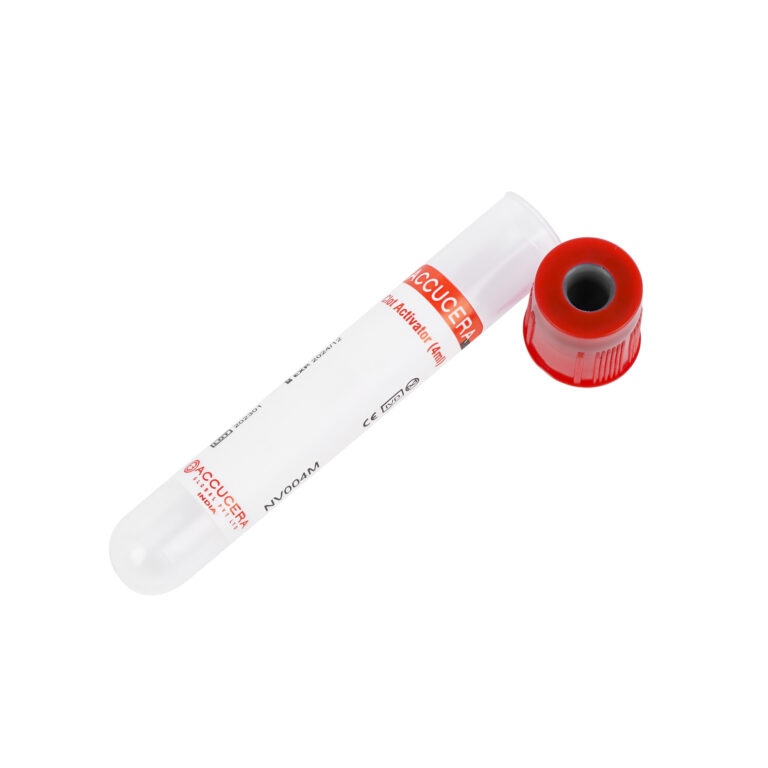
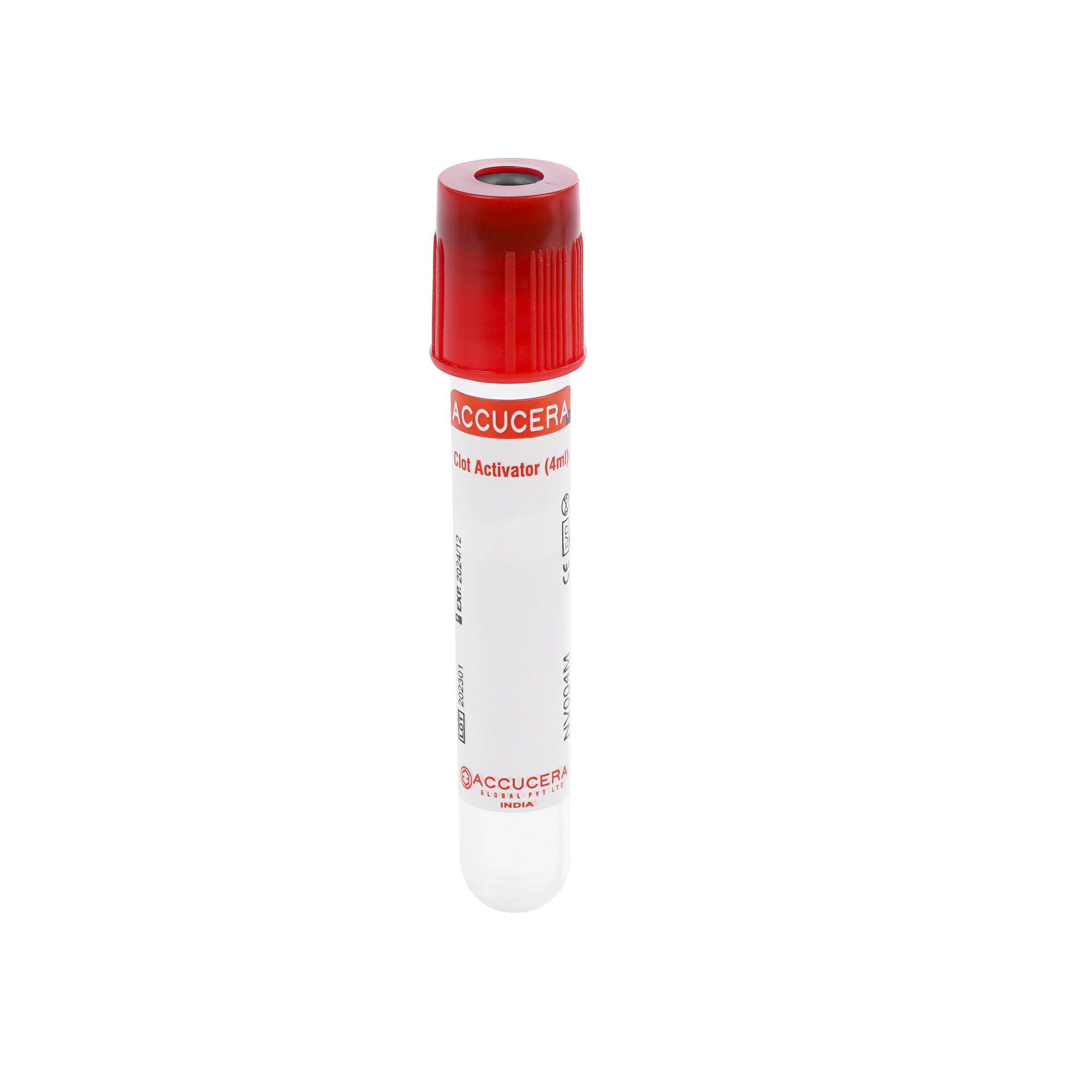
- Red Top Tubes: Used for serum testing, these tubes do not contain anticoagulants.
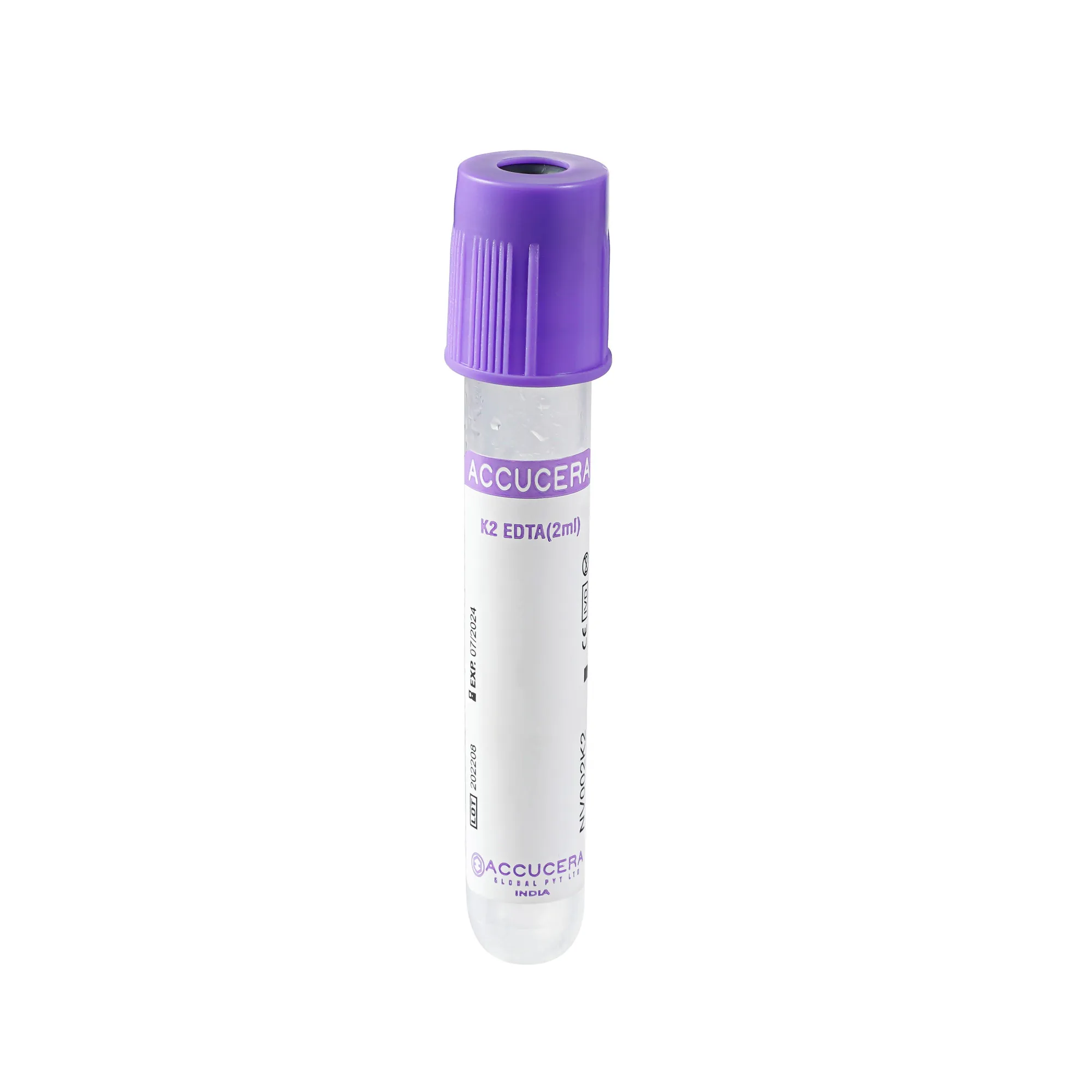
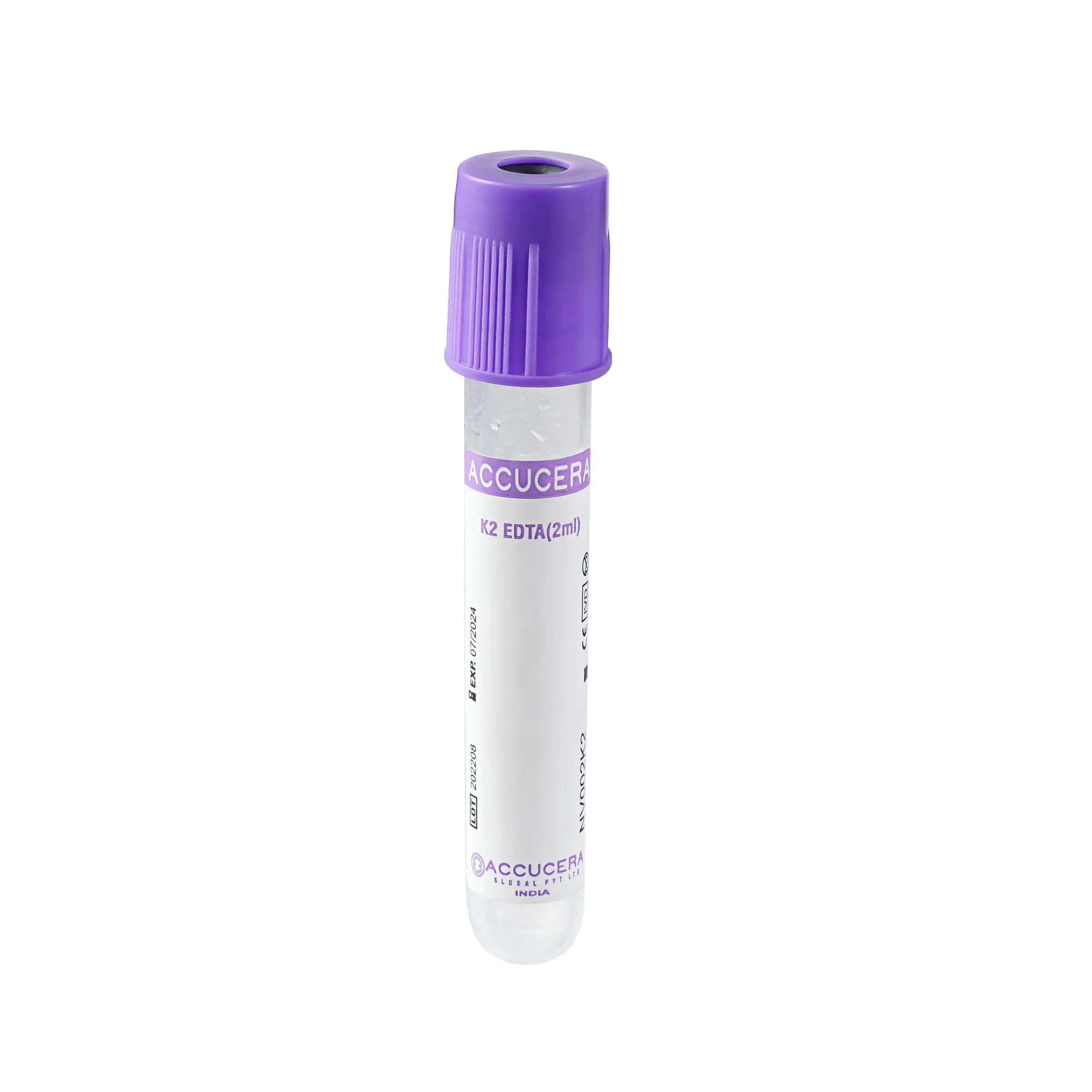
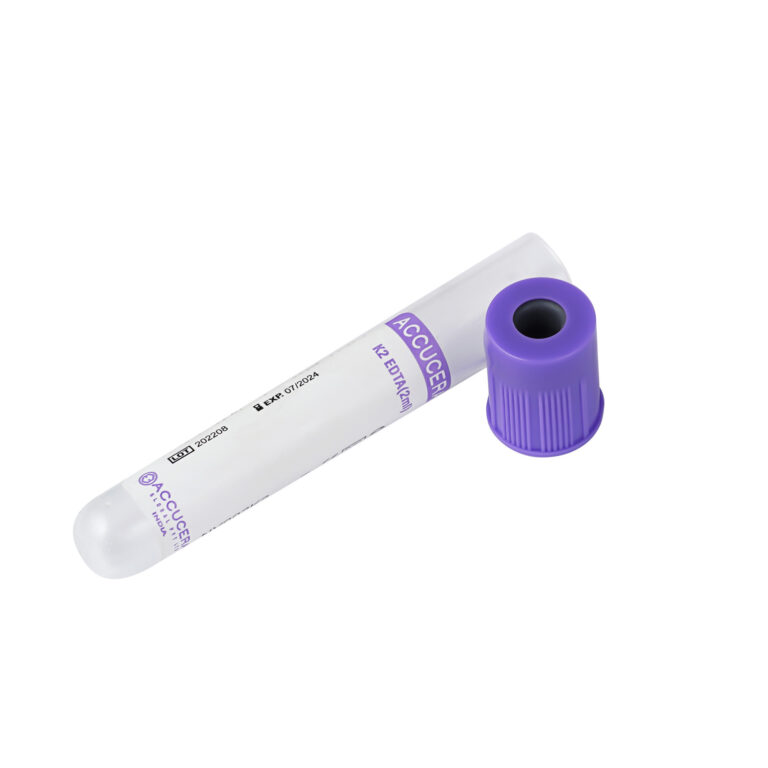
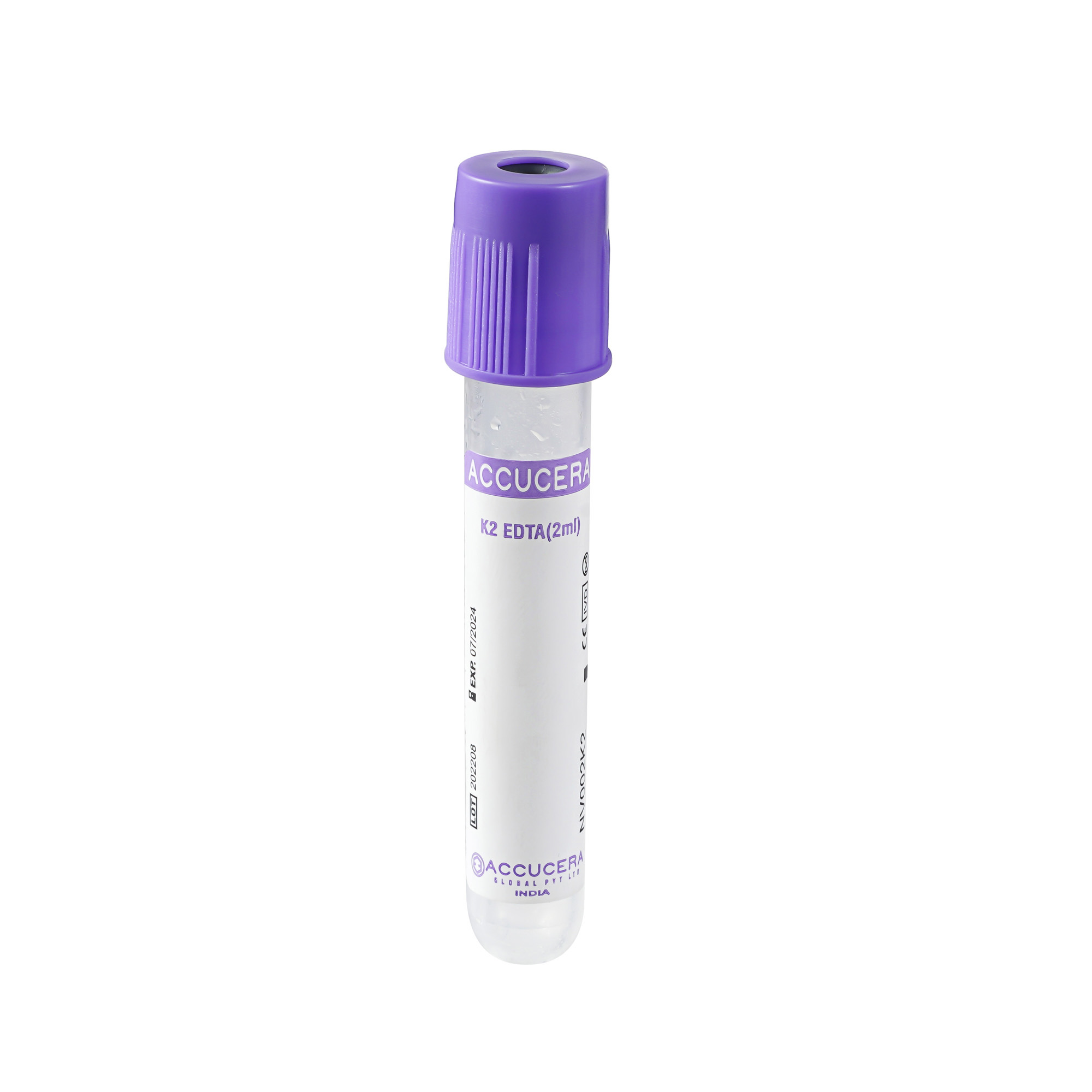
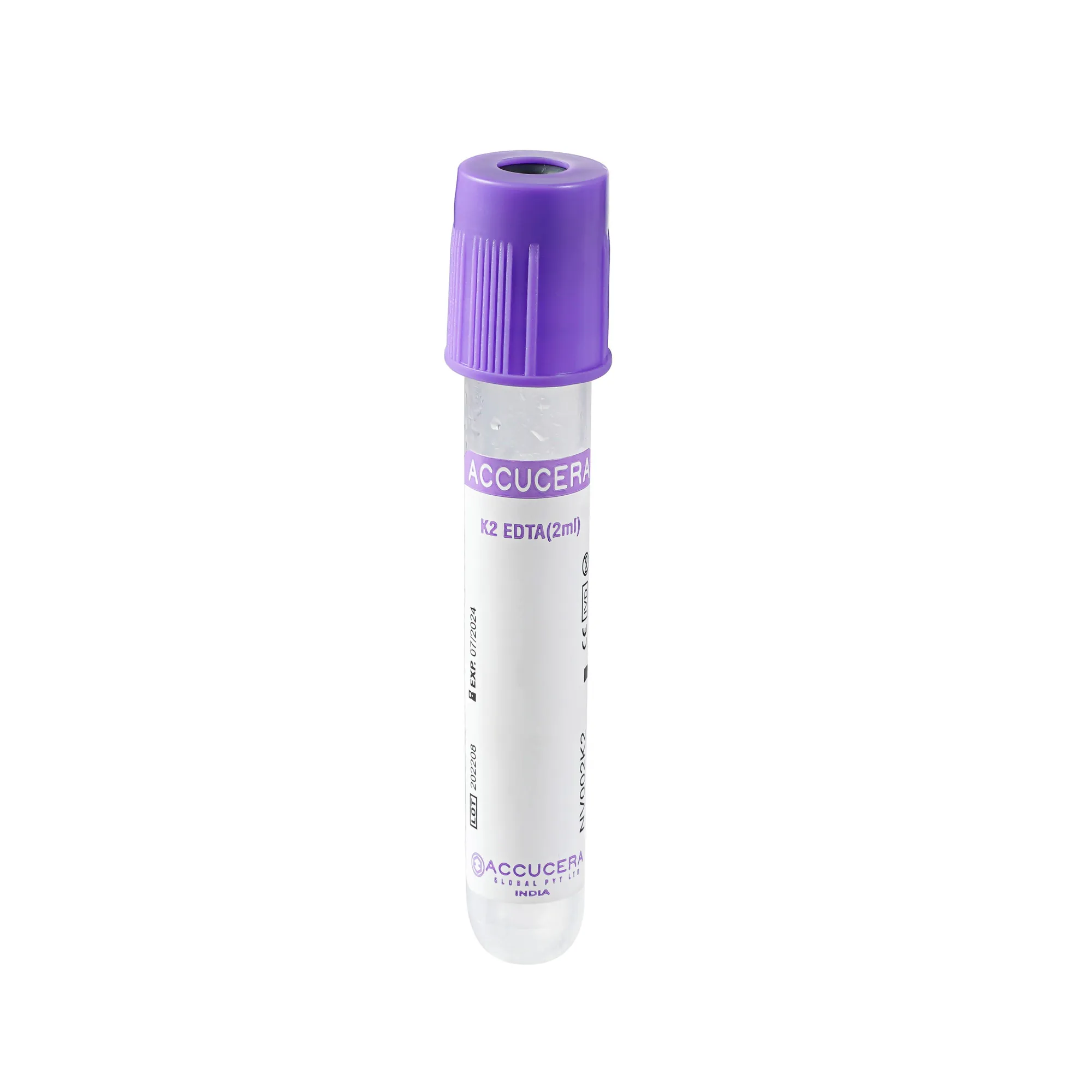
- Lavender Top Tubes: Contain the anticoagulant EDTA and are used for complete blood counts (CBC) and blood cell morphology examinations.
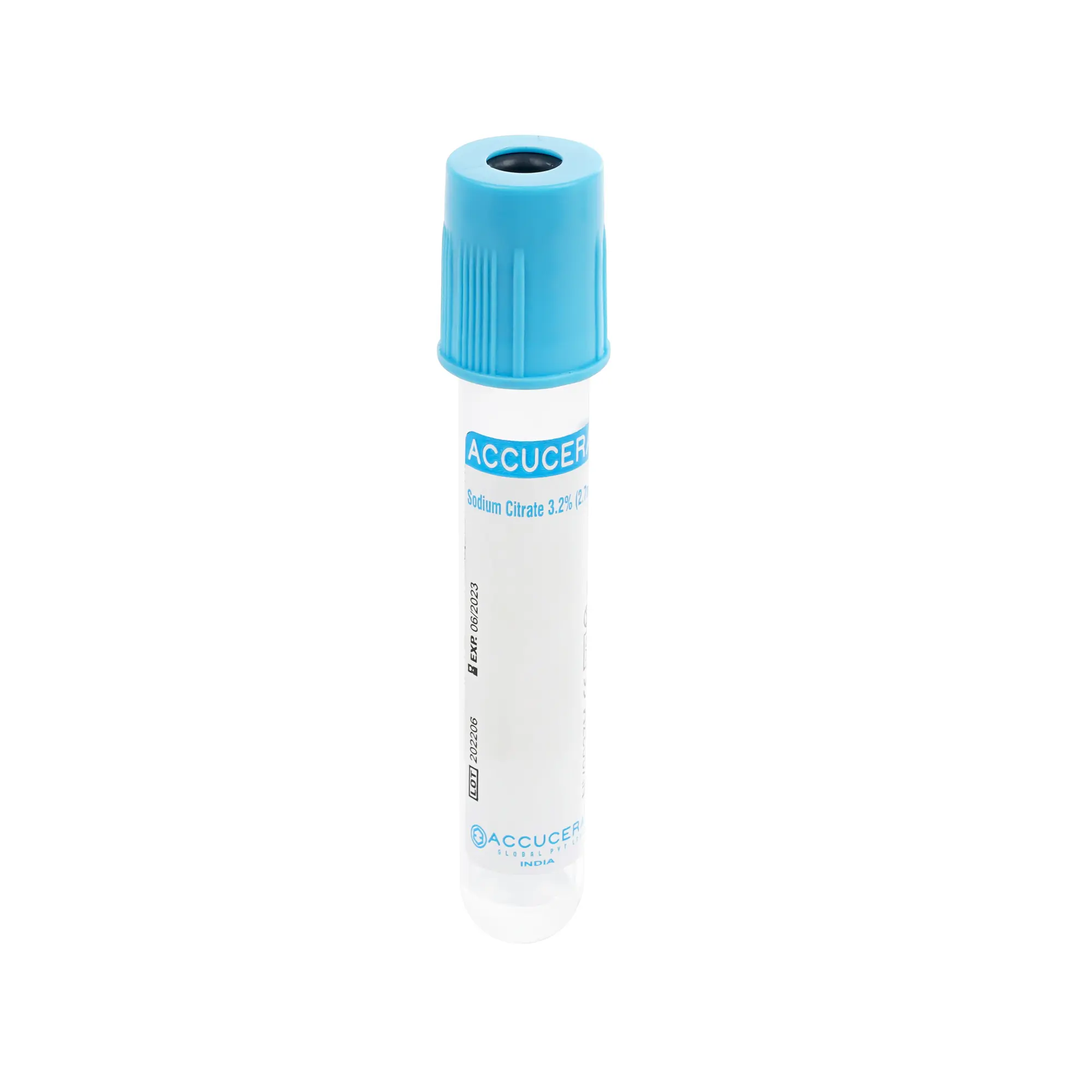
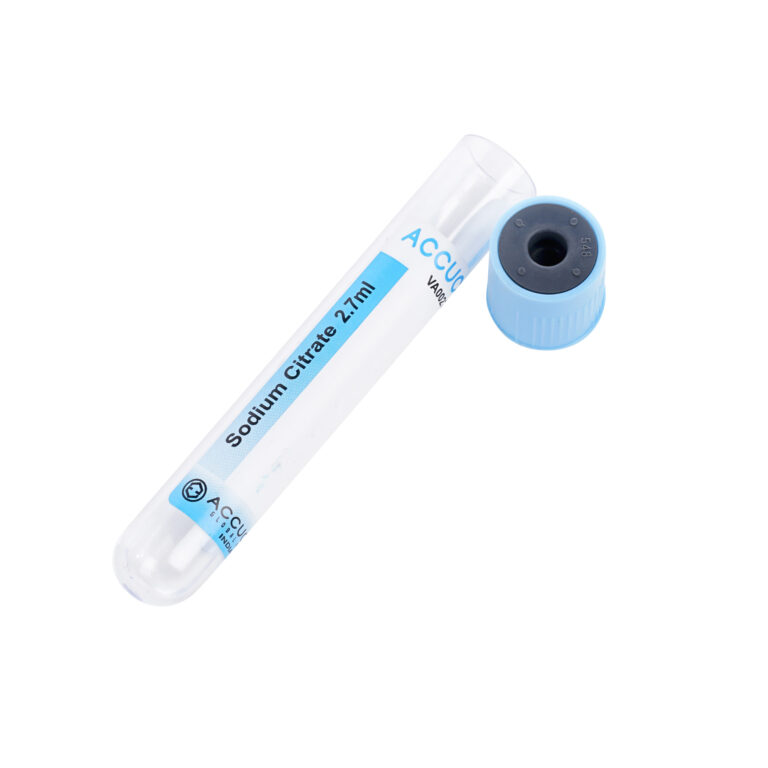
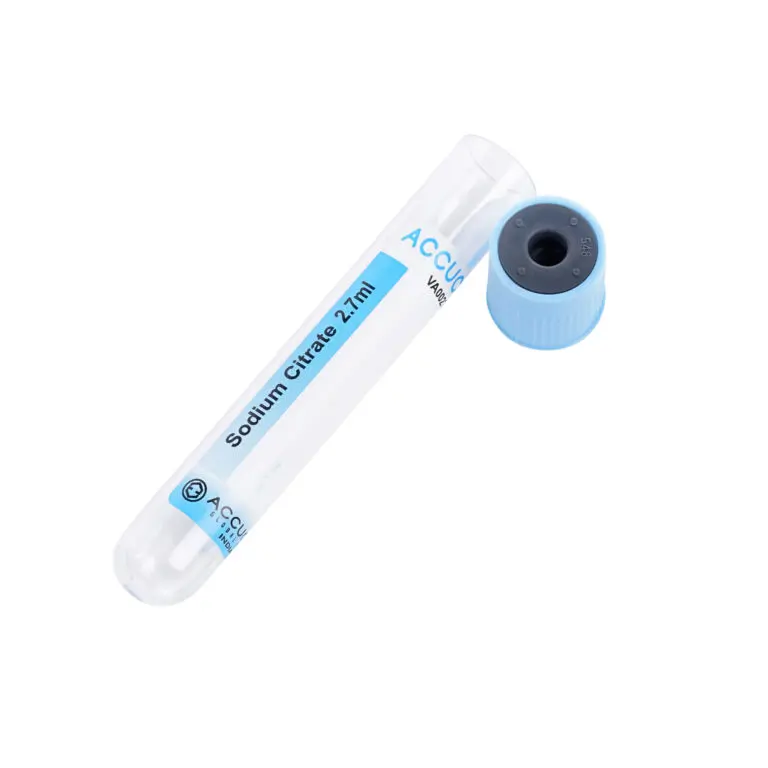
- Blue Top Tubes: Contain sodium citrate and are used for coagulation studies.
- Green Top Tubes: Contain heparin and are used for chemistry tests, such as electrolytes and blood gases.
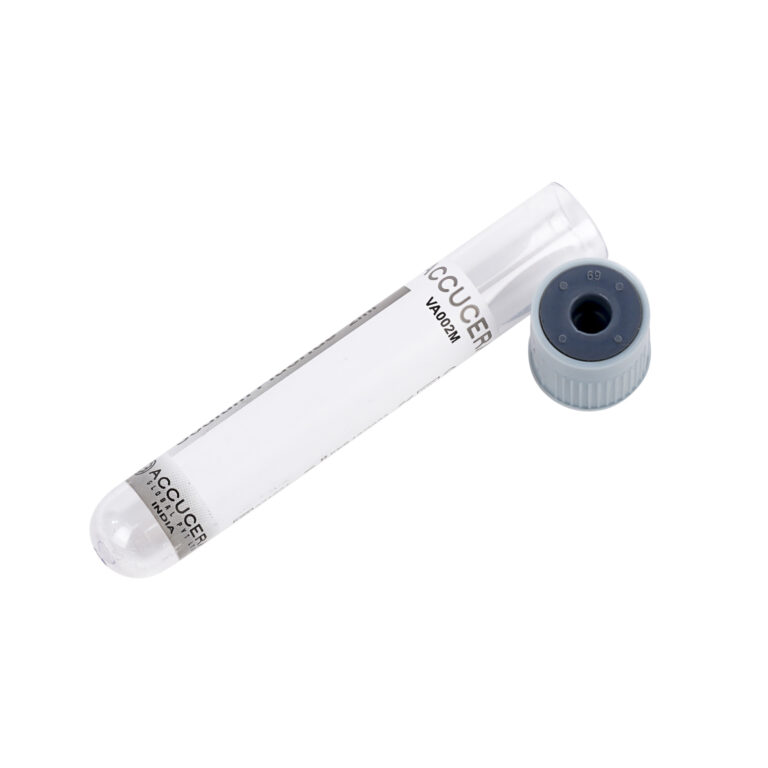
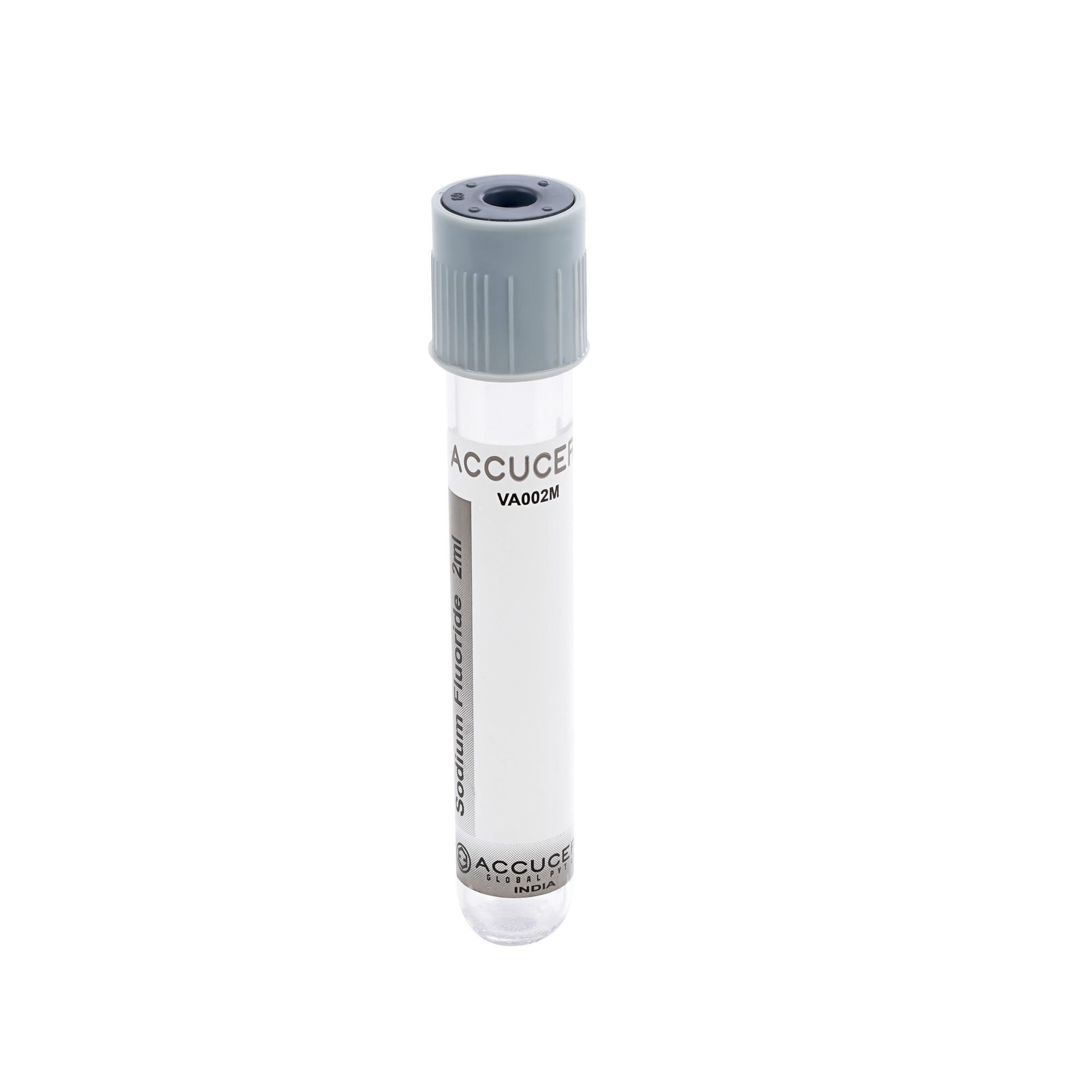
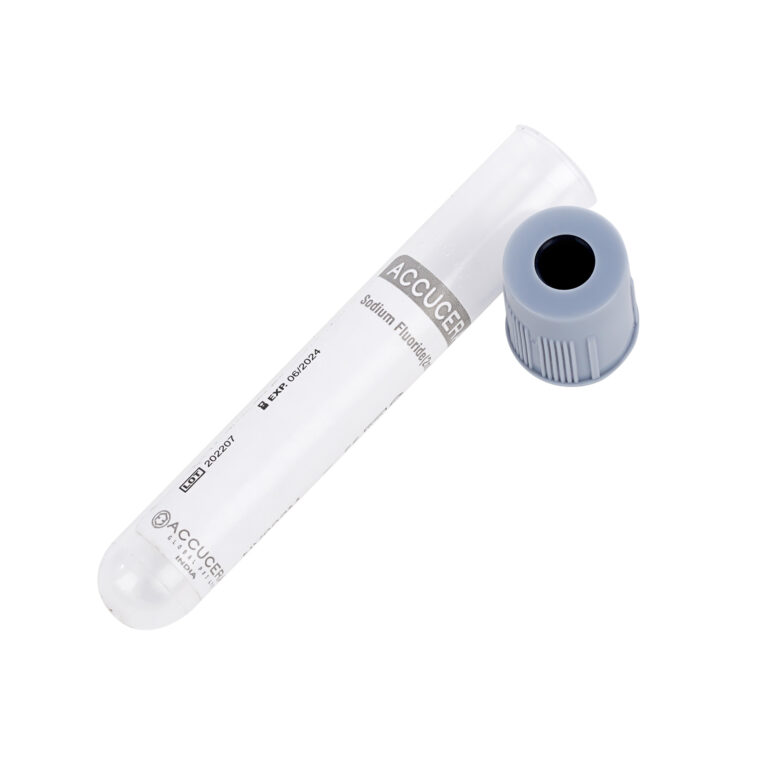
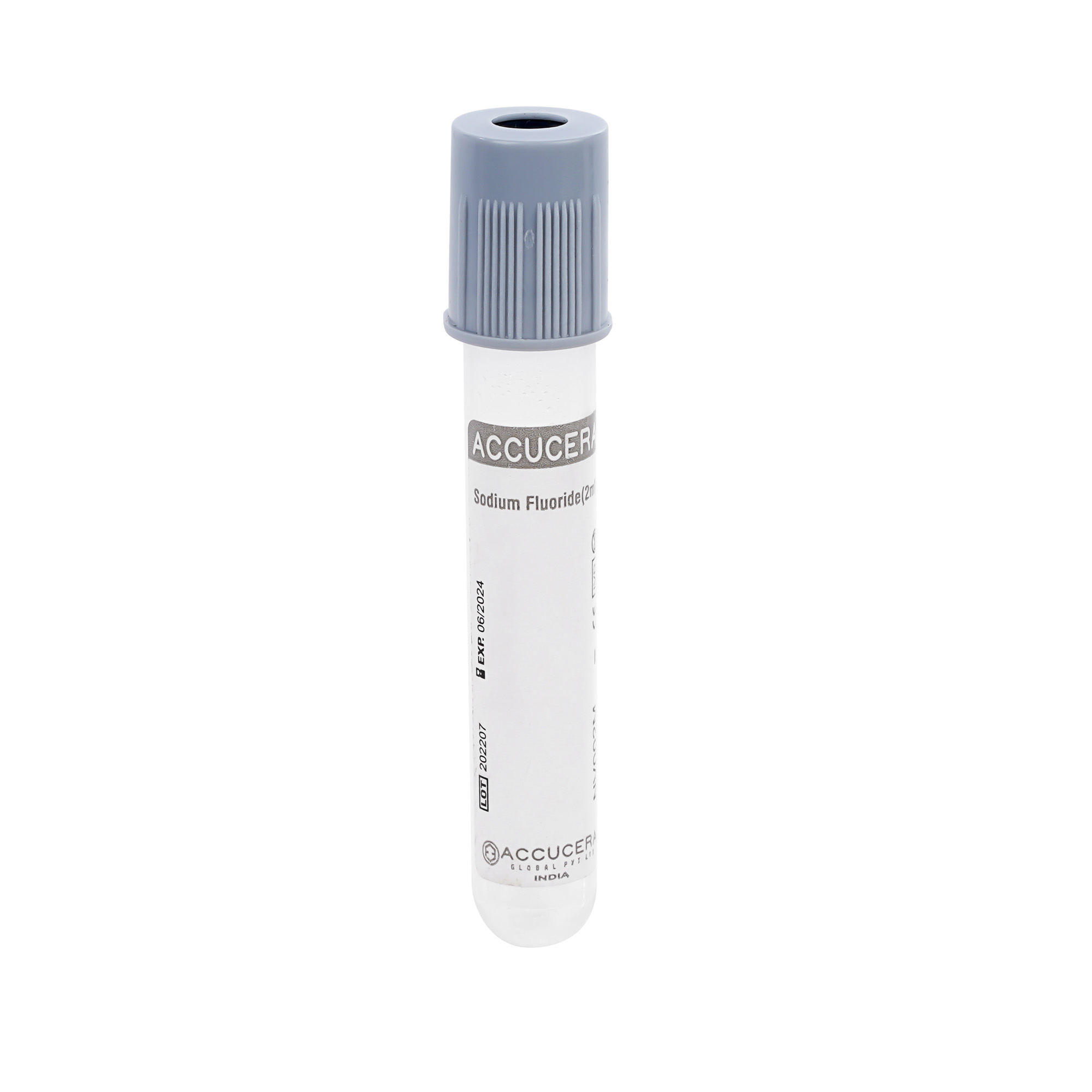
- Gray Top Tubes: Contain sodium fluoride and potassium oxalate, ideal for glucose testing.
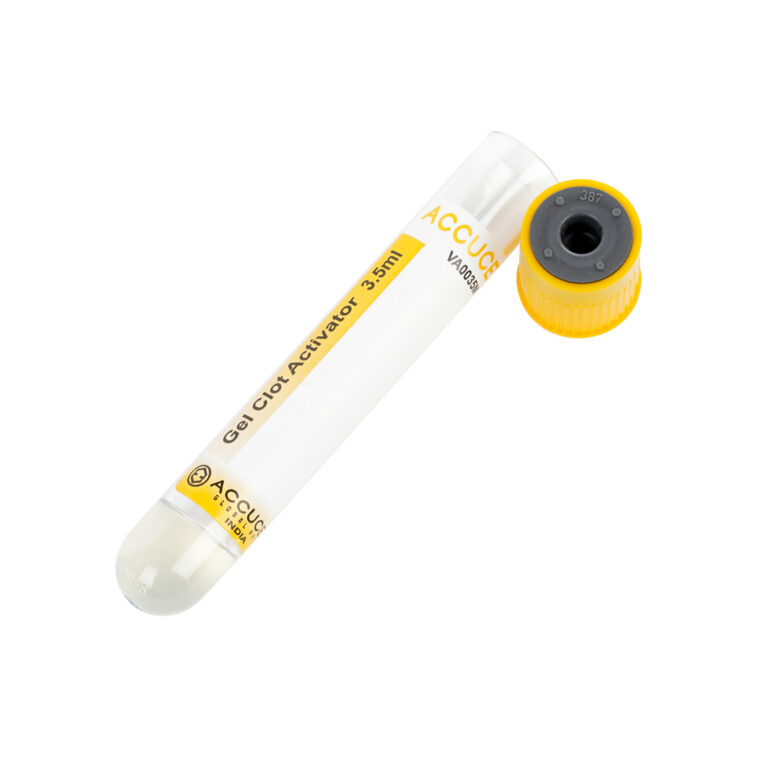
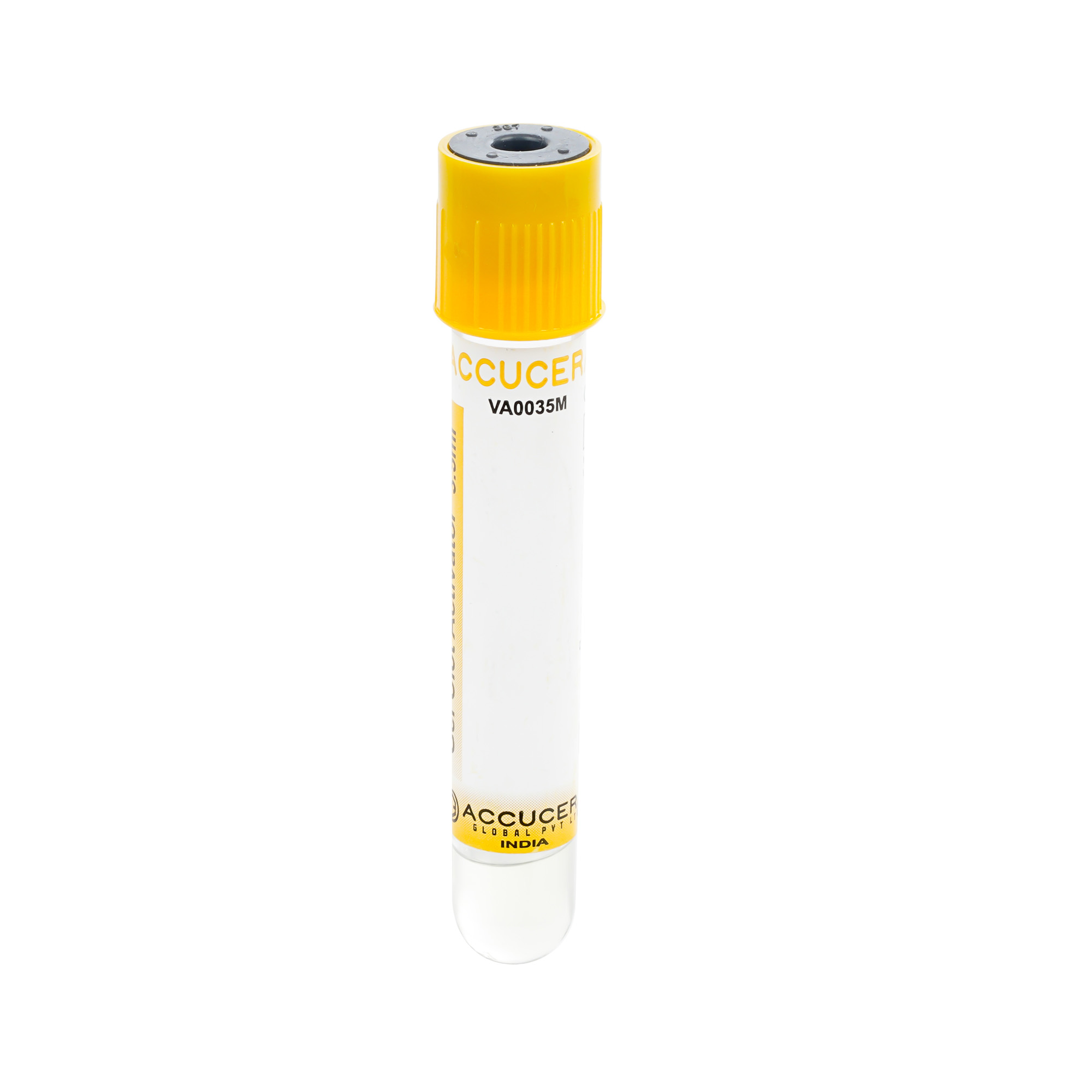
- Serum Separator Tubes: These tubes have a gel separator that separates serum from the blood cells during centrifugation. This separation allows for clean and clear serum samples, making them ideal for various diagnostic tests.
- EDTA Tubes: Tubes containing EDTA (Ethylenediaminetetraacetic acid) are used for a wide range of tests, including DNA analysis and some hematology tests. EDTA helps preserve the cellular components of the blood by preventing clot formation.
- Heparin Tubes: Heparin tubes contain the anticoagulant heparin and are primarily used for plasma determinations in chemistry tests. They come in green or light green tops.
- Sodium Citrate Tubes: These tubes contain sodium citrate and are crucial for coagulation studies, such as PT (Prothrombin Time) and APTT (Activated Partial Thromboplastin Time).
Uses of Blood Collection Tubes
Blood collection tubes serve various purposes in the medical field, including:
- Diagnostic Testing: Blood samples collected in different types of tubes help diagnose a wide range of medical conditions, such as diabetes, anemia, coagulation disorders, and infections.
- Monitoring Disease Progression: Regular blood tests using appropriate tubes allow healthcare providers to monitor disease progression, treatment effectiveness, and therapeutic drug levels.
- Transfusion Medicine: Blood collected in specific tubes is essential for cross-matching and blood typing to ensure compatibility in blood transfusions.
- Research and Clinical Trials: Blood samples collected in tubes with various additives are used in research studies and clinical trials to develop new treatments and therapies.
Best Practices for Blood Collection
- Proper Identification: Ensure accurate patient identification to prevent sample mix-ups. Use two unique identifiers, such as the patient’s name and date of birth.
- Site Preparation: Clean the venipuncture site thoroughly with an alcohol swab and allow it to dry to prevent contamination.
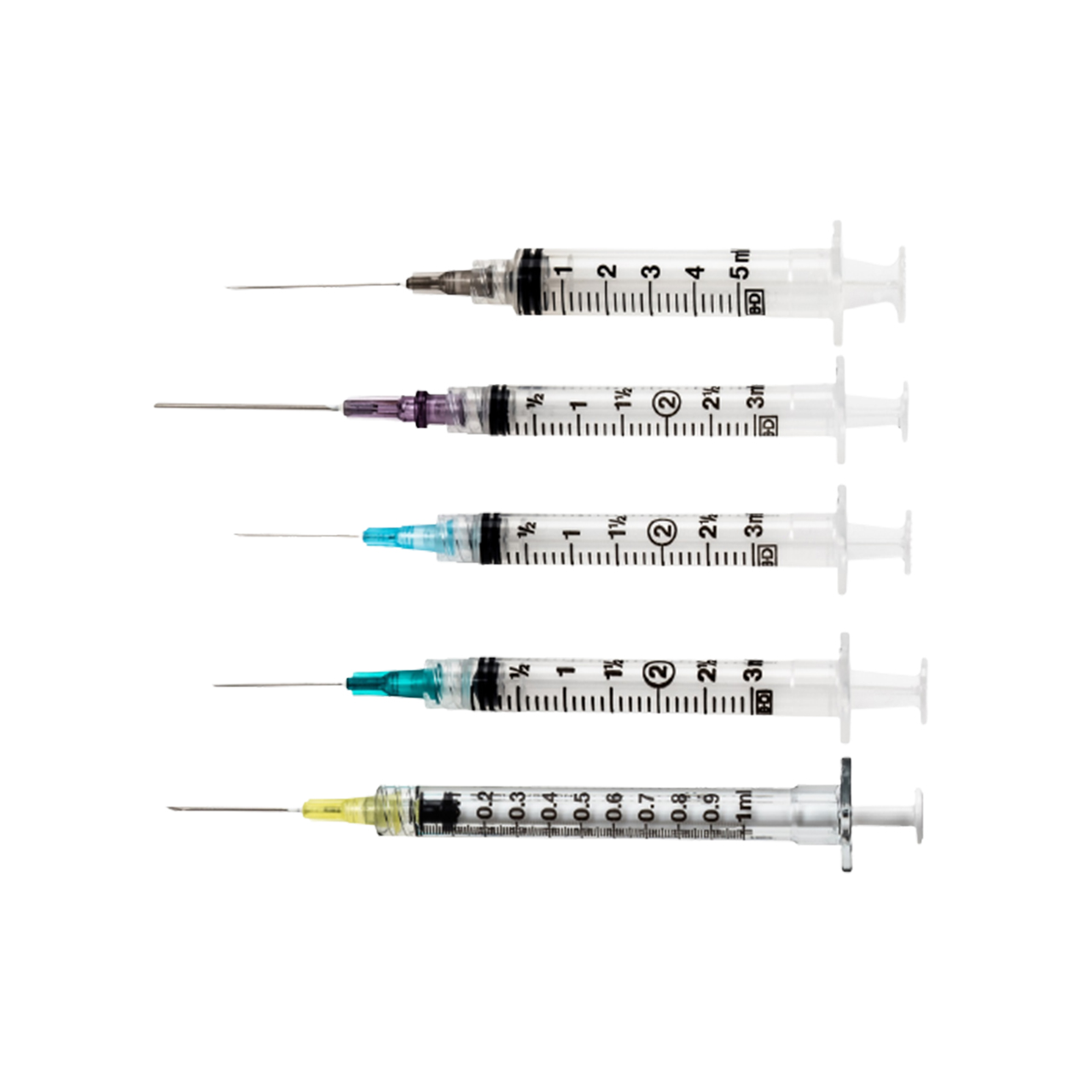
- Needle Selection: Choose the appropriate needle size and gauge based on the patient’s age, vein condition, and the type of test being performed.
- Order of Draw: Follow the recommended order of draw to minimize contamination and ensure accurate test results.
- Gentle Mixing: After collection, gently invert tubes with additives to mix the blood and anticoagulant thoroughly.
- Labeling: Accurately label each tube with the patient’s information, date, and time of collection.
Blood collection tubes are indispensable tools in the world of healthcare, facilitating accurate diagnostics, research, and patient care. Understanding the types, uses, and best practices for blood collection tubes is essential for healthcare professionals to ensure reliable test results and the well-being of patients. By following proper procedures and guidelines, healthcare providers can contribute to the accuracy and efficiency of the diagnostic process, ultimately improving patient outcomes.