

Ecological Landscape and Biodiversity

Kerala has lots of different plants and animals, and this makes it a good place for diseases that can pass between animals and people, like Nipah. Fruit bats, which carry the virus, live happily in the state’s big fruit gardens and thick forests. This special environment makes it easy for the virus to go from bats to humans.
Source: Journal of Infectious Diseases, Wildlife Conservation Reports
Agricultural Practices and Human-Bat Interaction
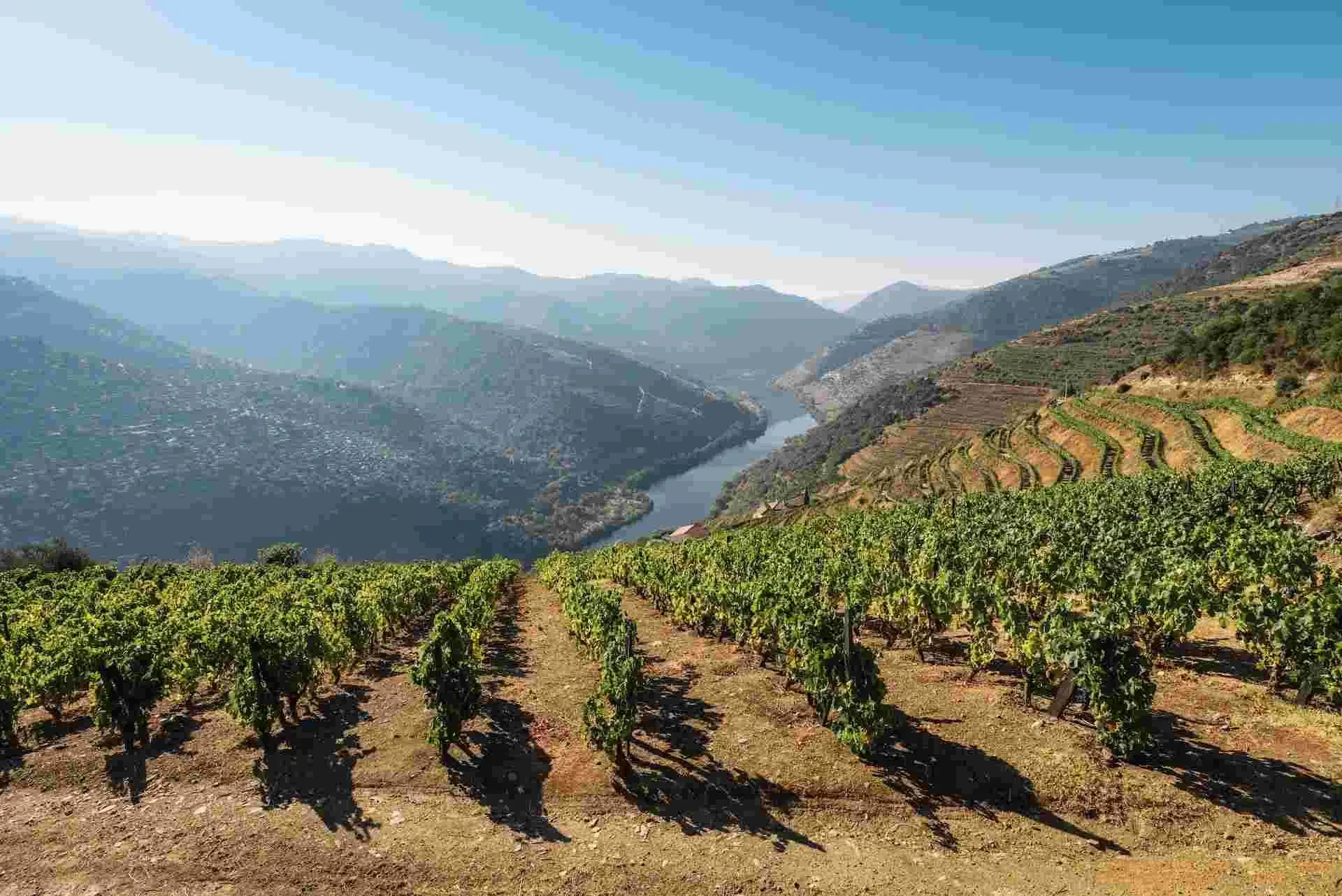
Kerala’s agrarian landscape, dominated by fruit cultivation and farming, brings humans into close contact with bats and their habitats. Traditional farming practices, coupled with the consumption of raw date palm sap, provide a direct route for the transmission of the Nipah virus from bats to humans.
Source: Kerala Agricultural University, Journal of Agriculture and Rural Development
Population Density and Urbanization

The high population density and rapid urbanization in Kerala contribute to the swift spread of infectious diseases. Crowded urban centers become hotspots for virus transmission, posing a challenge for timely containment measures. Kerala’s urban areas act as potential amplifiers for the Nipah virus, necessitating vigilant public health strategies.
Source: Census of India, Urban Development Reports
Healthcare Infrastructure and Preparedness

While Kerala boasts a robust healthcare system, the emergence of the Nipah virus presents unique challenges. The need for specialized facilities, rigorous containment measures, and rapid response teams is crucial in managing outbreaks. Continuous training and preparedness initiatives are essential to mitigate the impact of the virus on public health.
Source: Kerala Health Department, World Health Organization (WHO) Guidelines
Social and Cultural Practices

Kerala’s close-knit communities and cultural practices, such as communal living and large gatherings, contribute to the rapid spread of contagious diseases. Understanding and integrating cultural sensitivities into public health interventions are pivotal in fostering community cooperation and compliance with preventive measures.
Source: Cultural Anthropology Studies, Health Communication Research
Climate and Seasonal Patterns

The tropical climate of Kerala, is play a major role in kerala nipha virus that characterized by high temperatures and humidity, creates favorable conditions for the survival of the Nipah virus. Understanding the seasonal patterns of the virus can aid in predicting and managing outbreaks effectively.
Source: Indian Meteorological Department, Environmental Health Perspectives.
In conclusion, the multifaceted nature of the kerala Nipah virus impact in Kerala is deeply rooted in the state’s ecological, socio-economic, and cultural fabric. Addressing this public health challenge requires a comprehensive approach that combines scientific research, community engagement, and strategic policy measures. As Kerala grapples with the recurrent threat of the Kerala Nipah virus, collaborative efforts on local, national, and international levels are imperative to safeguard public health and prevent future outbreaks.