Understanding the Forced Air Incubator
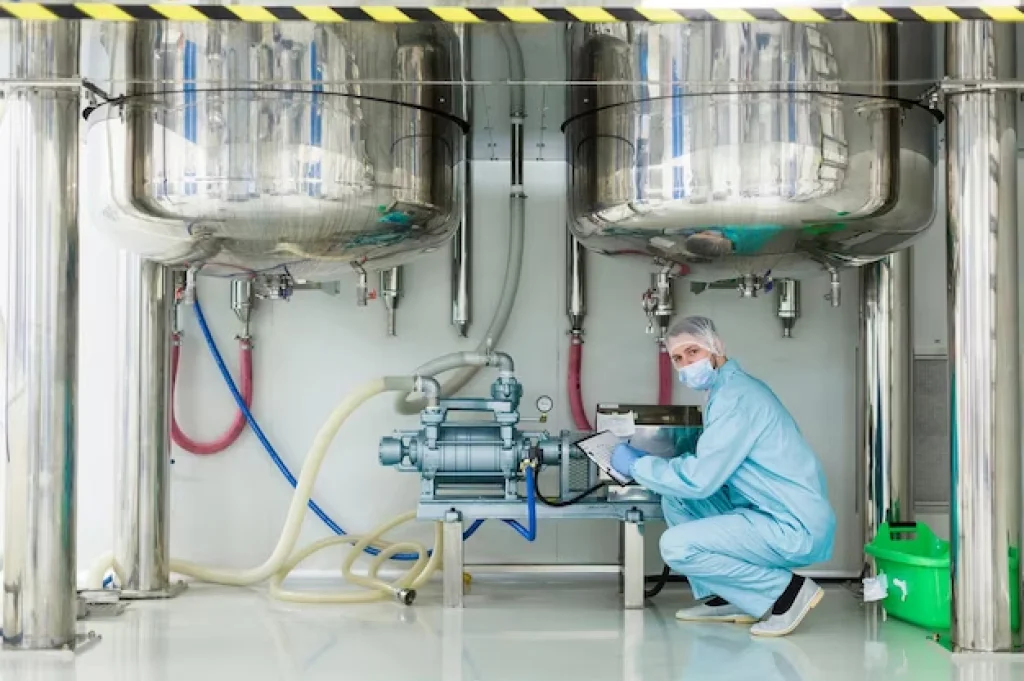
A forced air incubator, also known as a mechanical convection incubator, is a sophisticated piece of equipment designed to provide a controlled environment for the growth and maintenance of cells, tissues, and microorganisms. Unlike natural convection incubators that rely on the buoyancy of air for heat distribution, forced air incubators utilize a fan to circulate air evenly, ensuring uniform temperature throughout the chamber.
Key Components of a Forced Air Incubator
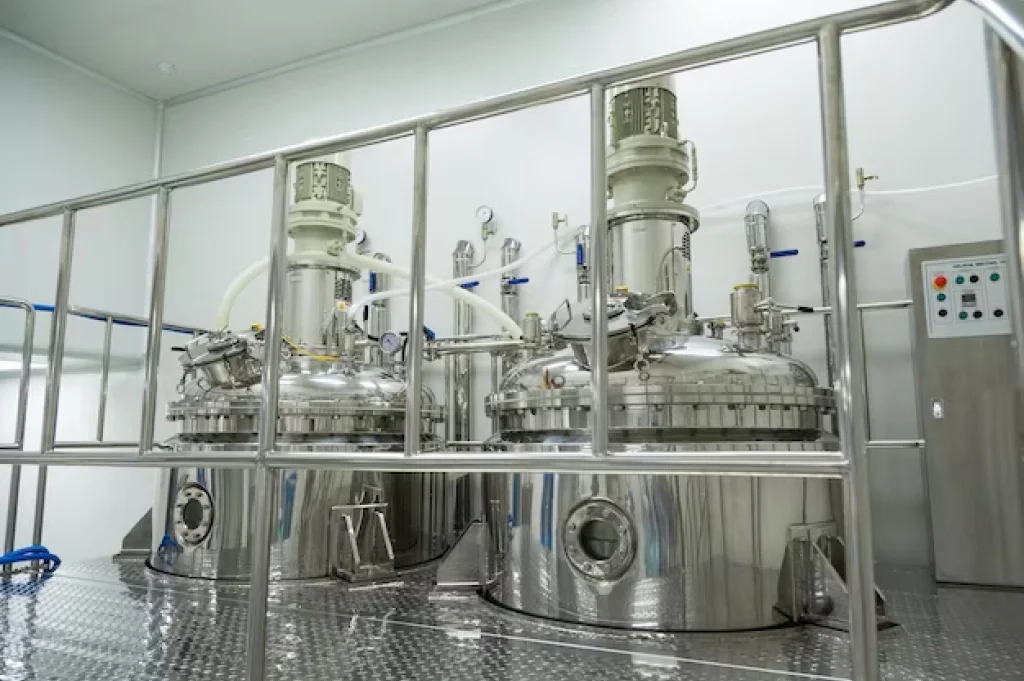
Heating Element
Function: The heating element is responsible for raising the temperature within the incubator to the desired setpoint.
Considerations: Quality heating elements ensure accurate and stable temperature control.
Temperature Control System
Function: The temperature control system regulates the heating element based on the user-set temperature.
Considerations: Precision and reliability of the temperature control system are critical for maintaining the desired experimental conditions.
Fan System
Function: The fan system circulates air inside the incubator, preventing temperature stratification and ensuring uniform heat distribution.
Considerations: Efficient fan systems contribute to stable and consistent conditions throughout the incubator.
CO2 Control
Function: In cell culture applications, some forced air incubators are equipped with a CO2 control system to maintain the desired atmospheric conditions for cell growth.
Considerations: For cell culture work, the ability to control CO2 levels is crucial for maintaining physiological conditions.
Humidity Control
Function: Some incubators feature humidity control systems to create a humidified environment for specific applications.
Considerations: Humidity control is essential for experiments where maintaining specific moisture levels is critical.
Applications of Forced Air Incubators
Cell Culture
Significance: Forced air incubators are a cornerstone in cell culture laboratories, providing the controlled environment necessary for the growth and maintenance of mammalian cells.
Considerations: Maintaining stable temperature, CO2 levels, and humidity is essential for successful cell culture experiments.
Microbiology
Significance: In microbiology research, forced air incubators create optimal conditions for the cultivation of bacteria, yeast, and other microorganisms.
Considerations: Precise temperature control is crucial for microbial growth studies and experiments.
Biochemical Assays
Significance: Enzymatic reactions and biochemical assays often require specific temperature conditions, which forced air incubators can provide.
Considerations: Consistent and uniform temperature distribution is vital for reliable assay results.
Plant Growth Studies
Significance: Forced air incubators can be adapted for plant growth studies, providing controlled environments for germination, growth, and experimentation.
Considerations: Adjustable temperature and lighting conditions may be necessary for plant-related experiments.
In vitro Fertilization (IVF)
Significance: In reproductive biology, forced air incubators are utilized for maintaining optimal conditions during the cultivation of embryos in IVF procedures.
Considerations: Precise temperature and humidity control are critical for the success of IVF experiments.
Microscopy Experiments
Significance: Microscopy studies often require a stable and controlled environment to observe live cells or organisms.
Considerations: The forced air incubator provides the necessary conditions for time-lapse microscopy and other live-cell imaging techniques.
Considerations When Using a Forced Air Incubator

Temperature Uniformity
Importance: Ensuring uniform temperature distribution is crucial for reliable and reproducible results.
Considerations: Regularly calibrate the incubator, distribute samples evenly, and avoid overloading to maintain temperature uniformity.
CO2 and Humidity Control (if applicable)
Importance: For cell culture work, maintaining specific CO2 levels and humidity is essential for mimicking physiological conditions.
Considerations: Regularly calibrate and monitor CO2 and humidity sensors, and use appropriate water trays or humidification systems.
Sterilization and Cleaning
Importance: Contamination can compromise experimental results. Regular cleaning and sterilization are crucial.
Considerations: Follow manufacturer guidelines for cleaning, use appropriate disinfectants, and establish a routine maintenance schedule.
Calibration
Importance: Accurate temperature control is contingent on proper calibration of the incubator’s temperature sensors.
Considerations: Regularly calibrate the temperature control system using certified calibration equipment.
Monitoring and Alarming
Importance: Continuous monitoring and alarm systems are essential for promptly addressing deviations from set conditions.
Considerations: Implement a reliable monitoring system, set appropriate temperature and humidity alarms, and respond promptly to any deviations.
Power Supply and Backup
Importance: Ensuring a stable power supply and having a backup system in place is crucial for preventing disruptions to experiments.
Considerations: Use surge protectors, consider a backup power source, and develop contingency plans for power outages.
Latest Innovations and Trends
Smart Incubators
Innovation: Integration of smart technologies for remote monitoring and control.
Impact: Researchers can monitor and adjust incubator conditions remotely, enhancing flexibility and accessibility.
Energy-Efficient Designs
Innovation: Development of energy-efficient forced air incubators.
Impact: Reducing energy consumption contributes to sustainability and cost-effectiveness in laboratory operations.
Improved Sensor Technologies
Innovation: Advancements in sensor technologies for enhanced precision in temperature, CO2, and humidity control.
Impact: Improved sensors contribute to more accurate and stable experimental conditions..
Multi-Chamber Systems
Innovation: Incubators with multiple chambers for parallel experiments.
Impact: Researchers can conduct multiple experiments simultaneously, increasing efficiency and throughput.
Conclusion
The forced air incubator stands as a cornerstone in laboratories worldwide, fostering an environment where scientific breakthroughs flourish. From cell culture to microbiology, its applications are diverse, and its role pivotal in ensuring controlled conditions for delicate experiments. As technology continues to evolve, the forced air incubator adapts, incorporating smart features, energy-efficient designs, and enhanced sensor technologies. In the intricate dance of scientific exploration, the forced air incubator is a silent choreographer, orchestrating the conditions necessary for the growth and discovery that shape our understanding of the natural world.