A Guide to Precision and Success
In the world of scientific research, the quality of your experiments often hinges on one critical factor that is the laboratory equipment you use. From pipettes and centrifuges to spectrophotometers and microscopes, the tools you select can significantly impact the outcomes of your studies. In this comprehensive guide, we’ll navigate the intricate path of choosing the right laboratory equipment, ensuring your research is not only precise but also successful.
The Foundation of Good Research – Equipment Matters
Research is like constructing a building; it needs a solid foundation. Your laboratory equipment is that foundation. It determines the accuracy, reliability, and repeatability of your experiments. To get started, let’s delve into the key considerations:
-
Understand Your Research Goals
Begin by defining your research objectives. Are you analyzing DNA sequences, measuring chemical concentrations, or studying microscopic organisms? Knowing your specific goals will guide you towards the right equipment.
-
Evaluate Your Budget
Budget constraints are a reality in research. While high-end equipment may be enticing, consider the long-term financial implications. Go for instruments that balance performance and cost-effectiveness.
-
Technology Matters
Stay updated with the latest technological advancements. Newer equipment often comes with improved features, enhancing precision and efficiency. Â
| YEAR | ADVANCEMENT IN LABORATORY EQUIPMENT |
|---|---|
| 1950 | Introduction of Electric Microscopes |
| 1960 | Development of High Performance Liquid Chromatography (HPLC) |
| 1970 | Emergence of PCR Technology |
| 1980 | Advancements in Mass Spectrometry |
| 1990 | Implementation of Automated Liquid Handling Systems |
| 2000 | Growth of Next-Generation Sequencing (NGS) Technologies |
| 2010 | Intergration of Artificial Intelligence (AI) in Laboratory Equipment |
| 2020 | Miniaturization and Portable Laboratory Devices |
The Toolbox – Essential Equipment Categories
Now that you have a grasp of the fundamentals, let’s explore the key categories of laboratory equipment:
Measuring and Analytical Instruments
These include devices like spectrophotometers, pH meters, and chromatographs. They are essential for quantifying substances and analyzing chemical properties.
Sample Preparation Tools
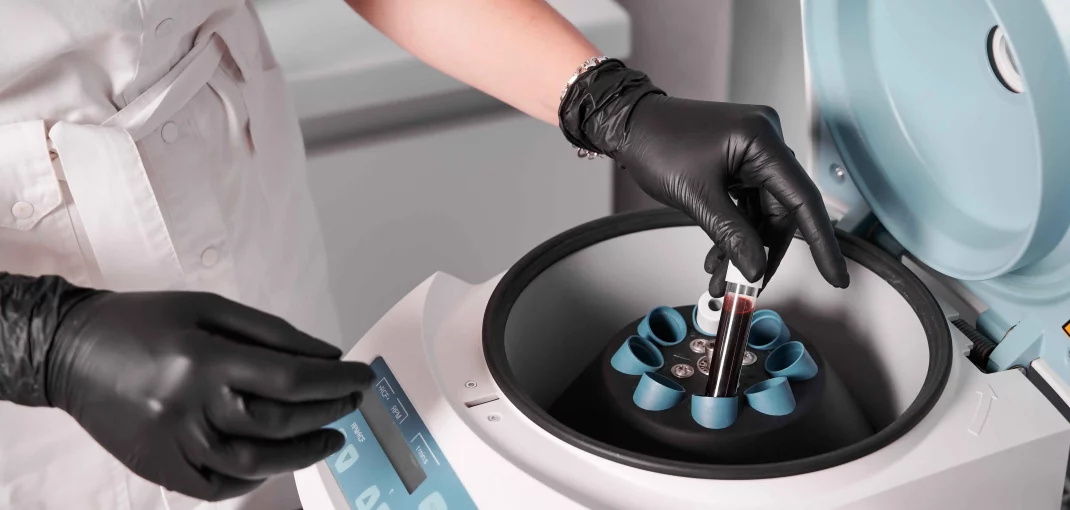
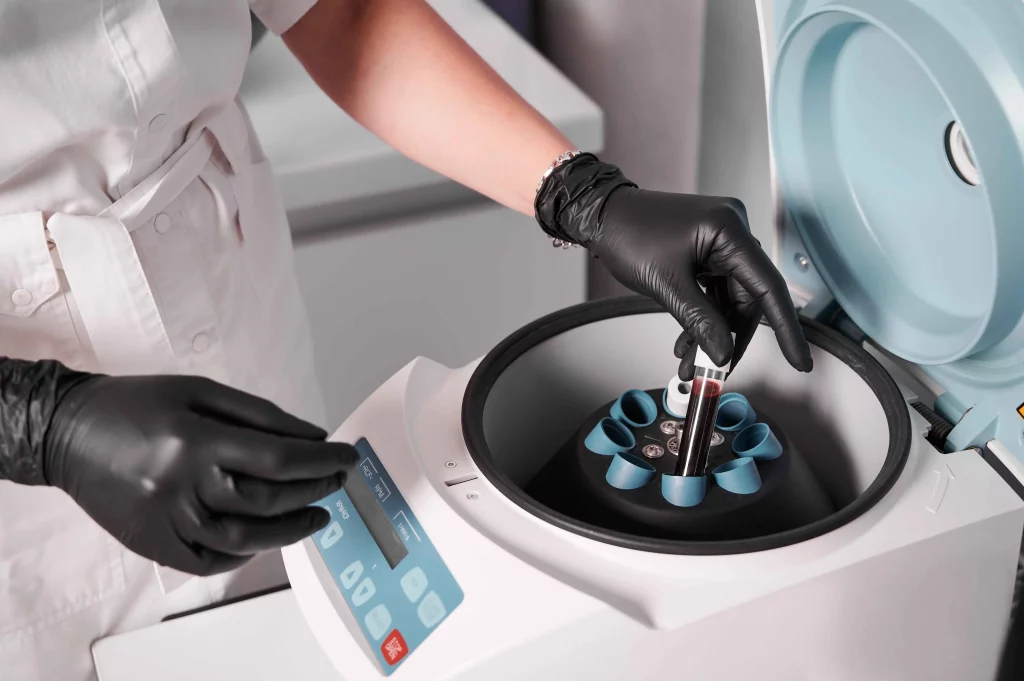
Sample preparation is a crucial step. Centrifuges, microtomes, and homogenizers aid in extracting and preparing samples for analysis.
Microscopes and Imaging Equipment
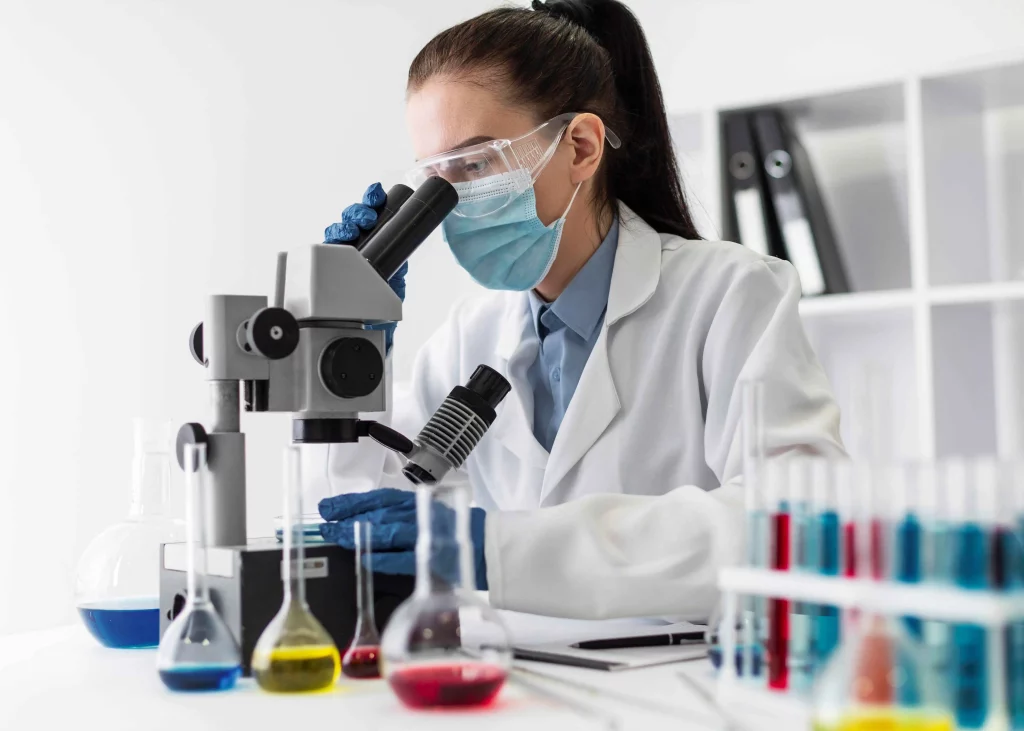
Microscopy is at the heart of many scientific disciplines. Selecting the right microscope or imaging system can reveal intricate details that impact your research.
Â
Tailoring Your Equipment Selection
Versatility vs. Specialization
Consider the balance between versatile equipment that can handle a range of tasks and specialized instruments optimized for specific applications.
Ergonomics and User-Friendliness
Equipment should be easy to use and maintain. Ergonomic designs reduce user fatigue and enhance productivity.
The Importance of Calibration and Maintenance
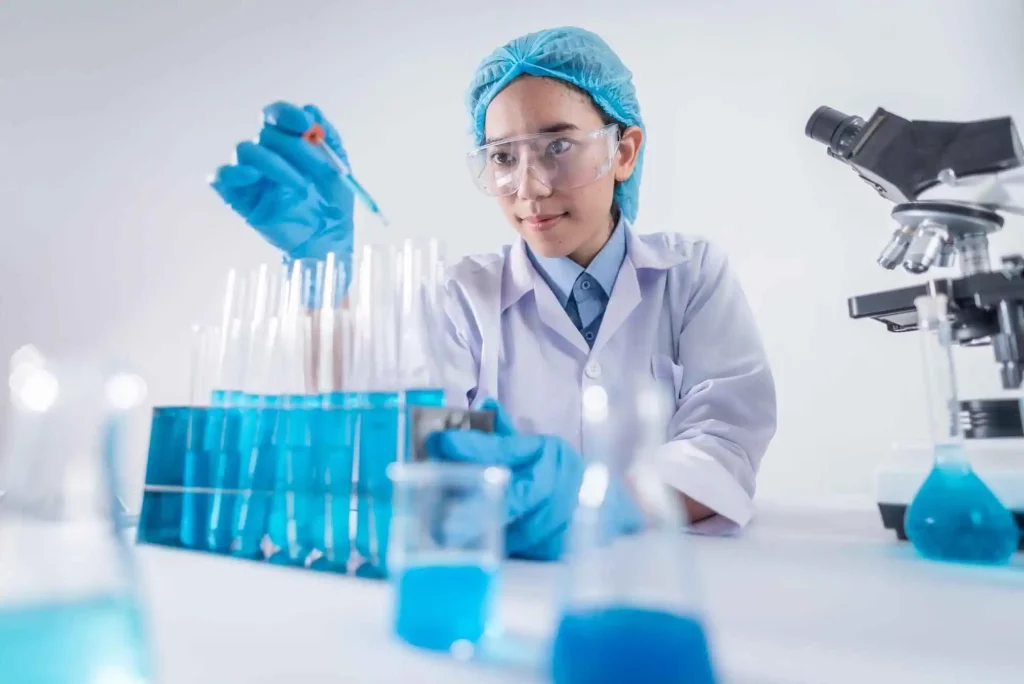
Regular calibration and maintenance are non-negotiable. Precise instruments are only as good as their last calibration.
Embracing Technology Trends
Stay at the forefront of technology trends. Explore automation, robotics, and AI-assisted equipment that can streamline processes and reduce human error.
| YEAR | Level of Automation in Laboratories (%) |
|---|---|
| 2000 | 20% |
| 2005 | 35% |
| 2010 | 50% |
| 2015 | 65% |
| 2020 | 80% |
| 2023 | 90%(Projected) |
Evaluating Cost-Effectiveness Over Time
Cost-effectiveness in laboratory equipment extends beyond the initial purchase price. Analyze the total cost of ownership, factoring in maintenance, calibration, and operational expenses.
Total Cost of Ownership (TCO)
Calculating TCO provides a holistic view of the financial impact of your equipment choices. It considers acquisition costs, operating expenses, and expected service life.
| Equipment Model | Acquisition Cose ($) | TCO Over 5 Years ($) |
|---|---|---|
| Model A | 10,000 | 15,000 |
| Model B | 12,000 | 16,400 |
| Model C | 8,500 | 14,100 |
| Model D | 15,500 | 20,250 |
| Model E | 9,800 | 14,800 |
Navigating Regulatory Compliance
Ensuring your laboratory equipment complies with industry regulations and standards is crucial. Explore how adherence to these guidelines impacts your research and its outcomes.
Quality Assurance and Regulatory Compliance
Understanding the role of quality assurance and regulatory compliance in laboratory equipment selection is essential for producing reliable results.
GMP and ISO Standards
Many industries adhere to Good Manufacturing Practices (GMP) and International Organization for Standardization (ISO) standards. Compliance ensures data integrity and reliability.
Sustainability in Laboratory Equipment
Sustainability is a growing concern in the world of laboratory equipment. Choosing eco-friendly options can not only reduce your environmental footprint but also have long-term financial benefits. Explore equipment with energy-saving features, minimal waste generation, and recyclability.
| YEAR | Sustainability Initiatives in Laboratories (%) |
|---|---|
| 2005 | 10% |
| 2010 | 20% |
| 2015 | 35% |
| 2020 | 50% |
| 2023 | 60% (Projected) |
The Human Element – Training and Skill Development
Acquiring advanced laboratory equipment is only part of the equation. Ensure your team is proficient in using these tools. Training and skill development programs are essential to maximize the potential of your equipment and reduce errors.
-
Training Programs
Invest in comprehensive training programs for your laboratory staff. Proficiency in operating, maintaining, and troubleshooting equipment is crucial.
-
Continuous Learning
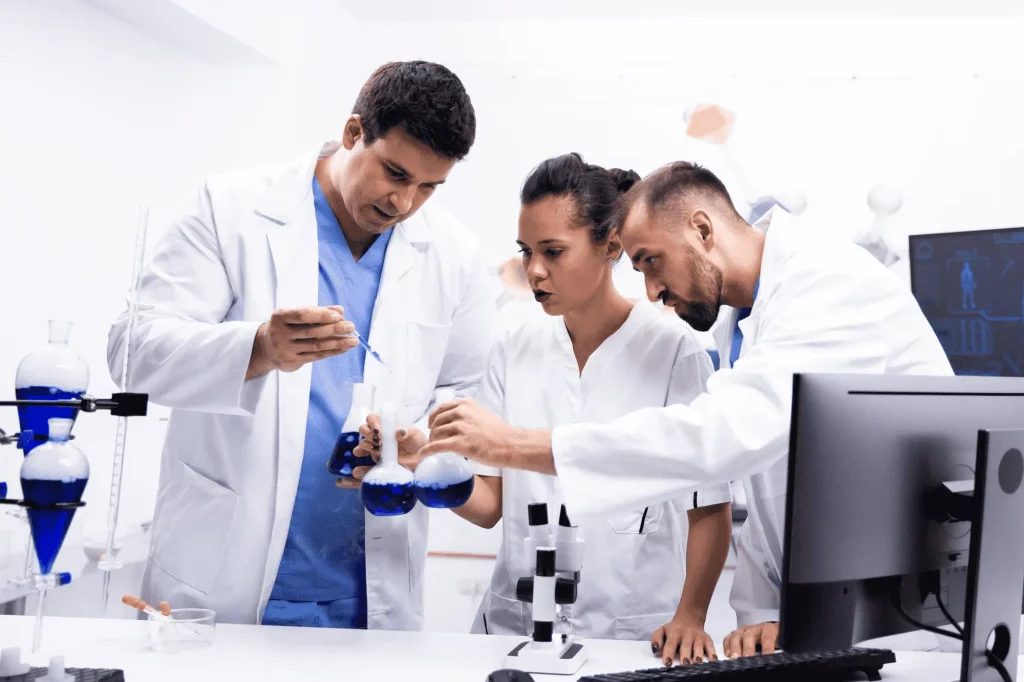
Encourage a culture of continuous learning. Stay updated with the latest techniques and best practices for equipment usage.
The Future of Laboratory Equipment
As technology evolves, so does laboratory equipment. Explore emerging trends such as:
-
Smart Laboratories
Intelligent, connected laboratories are becoming a reality. Embrace the Internet of Things (IoT) for real-time data monitoring and analysis.
-
Artificial Intelligence (AI)
AI-powered equipment can automate complex tasks, analyze large datasets, and enhance the speed and accuracy of experiments.
Miniaturization and Portability
Compact, portable equipment allows for field research and brings laboratory capabilities to remote locations.
Case Studies – Real-World Examples
Explore real-world case studies showcasing how the right laboratory equipment selection has led to breakthroughs in various scientific fields. These stories highlight the impact of precise equipment on research outcomes.
Building Your Laboratory Arsenal – A Strategic Approach
Consider building your laboratory arsenal methodically, prioritizing essential equipment that aligns with your research goals. This approach ensures you make informed decisions that maximize research potential.
The Future of Your Research Starts Now
In the ever-evolving landscape of scientific research, the laboratory equipment you choose today shapes the discoveries of tomorrow. By considering research goals, budget, technology, quality, and compliance, you lay the foundation for precise and successful experiments. As you navigate this complex decision-making process, remember that the right laboratory equipment isn’t just a tool; it’s your partner in scientific exploration.
~
Warm regards,
Dr. Dipti Charisma Ekka, MBBS, MD, MHA