
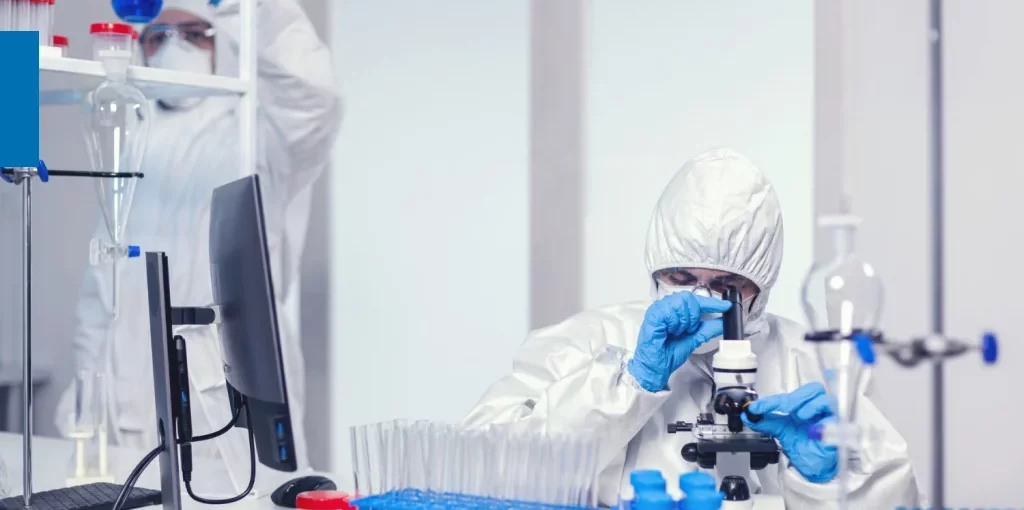
In the realm of modern medical diagnostics and research, the clinical centrifuge plays a pivotal role in separating and analyzing various components of biological samples. This indispensable laboratory tool has evolved over the years, becoming an essential asset for medical professionals worldwide. This article will delve into the intricacies of the clinical centrifuge, exploring its history, functionality, applications, and key considerations for choosing the right one for your laboratory needs.
Evolution of Clinical Centrifuge Technology

The journey of the clinical centrifuge begins with its humble origins in the early 20th century. Initially designed to separate blood components, these early centrifuges were manually operated and had limited capabilities. Over time, advancements in technology led to the development of electrically powered centrifuges, revolutionizing the field of clinical research.
As the demand for more precise separation increased, manufacturers incorporated features such as variable speed controls, programmable settings, and refrigeration options. Today, modern clinical centrifuges come equipped with cutting-edge technology, ensuring accurate and efficient sample processing.
Functionality and Working Principles

Understanding the basic principles behind the functionality of a clinical centrifuge is crucial for utilizing it effectively in a laboratory setting. The centrifuge relies on the principles of sedimentation and centrifugal force to separate components within a sample based on their density.
As the rotor spins at high speeds, the denser particles in the sample move outward, forming distinct layers. This separation allows researchers and medical professionals to isolate specific components, such as plasma, serum, or cellular material, for further analysis. The type of rotor and speed setting chosen for a centrifuge depend on the specific application and sample characteristics.
Applications in Clinical Settings

Clinical centrifuges find applications in a myriad of medical fields, from routine blood tests to advanced research projects. One of the primary uses is in hematology, where the device separates blood components, aiding in the diagnosis of various blood disorders. Moreover, clinical centrifuges are employed in biochemistry labs for isolating proteins, DNA, RNA, and other cellular components crucial for molecular biology research.
In microbiology, these centrifuges are utilized to concentrate micro-organisms from liquid samples, facilitating a more detailed analysis. The versatility of clinical centrifuges extends to pharmaceutical research, where they play a pivotal role in drug development by separating and analyzing compounds.
Choosing the Right Clinical Centrifuge

Selecting the appropriate clinical centrifuge for your laboratory involves considering several factors. Rotor capacity, speed range, and programmability are crucial specifications to evaluate. High-speed centrifuges are ideal for quick separations, while refrigerated models are essential for preserving sample integrity during longer processing times.
Additionally, the choice between fixed-angle and swinging-bucket rotors depends on the type of samples being processed. It’s essential to assess the compatibility of the centrifuge with various tube sizes commonly used in your lab. User-friendly interfaces and safety features should also be prioritized for seamless operation and personnel protection.
Types of Clinical Centrifuges
The diverse landscape of laboratory applications has led to the development of various clinical centrifuge types, each tailored to specific research needs. Understanding these variations is crucial for selecting the right centrifuge for a particular laboratory task. Here are some common types:
- Microcentrifuges: Designed for small sample volumes, microcentrifuges are essential for applications such as DNA and RNA isolation, protein precipitation, and quick sedimentation of cellular debris. They are compact, high-speed centrifuges that accommodate microcentrifuge tubes.
- Benchtop Centrifuges: Widely used in clinical laboratories, benchtop centrifuges strike a balance between capacity and versatility. They can handle larger sample volumes compared to microcentrifuges and are suitable for various applications, including blood component separation and general sample processing.
- Refrigerated Centrifuges: Temperature-sensitive samples, such as those in molecular biology and biochemistry, benefit from refrigerated centrifuges. These units maintain a controlled temperature during operation, preventing sample degradation and ensuring the integrity of delicate molecules.
- Ultracentrifuges: For high-speed separations and applications requiring extreme precision, ultracentrifuges are indispensable. These centrifuges operate at significantly higher speeds and generate forces capable of separating particles with minute differences in density, making them ideal for advanced research in biochemistry and biophysics.
- Preparative Centrifuges:In settings where large quantities of specific components need to be isolated, preparative centrifuges are employed. These centrifuges are designed for higher capacities and are commonly used in industrial applications for large-scale separation processes. Understanding the distinctions among these clinical centrifuge types enables researchers and laboratory professionals to choose the most suitable instrument for their specific needs, ensuring optimal results in various scientific endeavours.
Uses of Clinical Centrifuges
- Blood Sample Processing: Clinical centrifuges play a crucial role in clinical laboratories and healthcare settings, particularly in the recycling of blood samples. They facilitate the separation of blood into its components, namely red blood cells, white blood cells, and plasma. The use of clinical centrifuges ensures accurate and reliable results in medical diagnostics and research, contributing significantly to the advancement of healthcare practices.
- Cell Separation: In cell biology and biotechnology, they’re employed to insulate specific cell types or cellular factors from miscellaneous samples. This is particularly precious in exploration related to cell culture, stem cell studies, and the sanctification of cellular organelles.
- Tube and Serum Separation: Used to separate tube and serum from whole blood. The tube is attained by centrifuging anticoagulated blood, while serum is attained by centrifuging curdled blood. Both tubes and serum contain precious information for individual tests, and their insulation is pivotal in colorful medical analyses.
- Urine Analysis: Clinical centrifuges are employed in clinical laboratories for the analysis of urine samples. Urine that contains cells, chargers, or other particle materials can be separated by centrifuging, making it possible to examine individual parts. This aids in the opinion of urinary tract infections, order diseases, and other urinary conditions.
- DNA and RNA Extraction: In molecular biology and genetics exploration, clinical Laboratory centrifuges are employed to insulate DNA, RNA, and other nucleic acids from natural samples. This separation is a critical step in multiple molecular ways, including polymerase chain response (PCR), gene expression analysis, and sequencing.
- Pathogen and various Research: Centrifugation is necessary for the insulation of contagions and other pathogens from clinical samples. This process is pivotal for studying the structure, best, and characteristics of contagious agents, contributing to the development of individual styles and vaccines.
- Purification of Protein: Experimenters use them in biochemistry and protein wisdom to separate and purify proteins from complex fusions. This is essential for studying protein structure, function, and relations, as well as for producing purified proteins for remedial and exploration purposes.
- Drug Development: Clinical centrifuges are integral in pharmaceutical exploration and medicine development. They’re used to separate and purify substances during the production of medicines, icing the insulation of specific factors with asked parcels.
- Clinical Research and Diagnostics: Clinical centrifuges are employed in a wide range of exploration studies and individual tests across medical disciplines. Their versatility makes them essential tools for obtaining precise and reliable data in various applications, contributing to advancements in healthcare and medicine.
Conclusion
In the dynamic landscape of medical research, the clinical centrifuge stands as a revolutionary force, facilitating nuanced analyses of biological samples. From its modest manual origins to today’s technologically advanced iterations, these instruments have evolved into indispensable assets. Their ability to harness sedimentation and centrifugal force enables precise separation, propelling advancements in hematology, biochemistry, and microbiology.
The myriad applications, from blood sample processing to DNA extraction, showcase the centrifuge’s versatility. Choosing the right type involves a careful balance of factors, ensuring optimal performance. As a stalwart companion in clinical research, the clinical centrifuge continues to shape the trajectory of modern healthcare.