
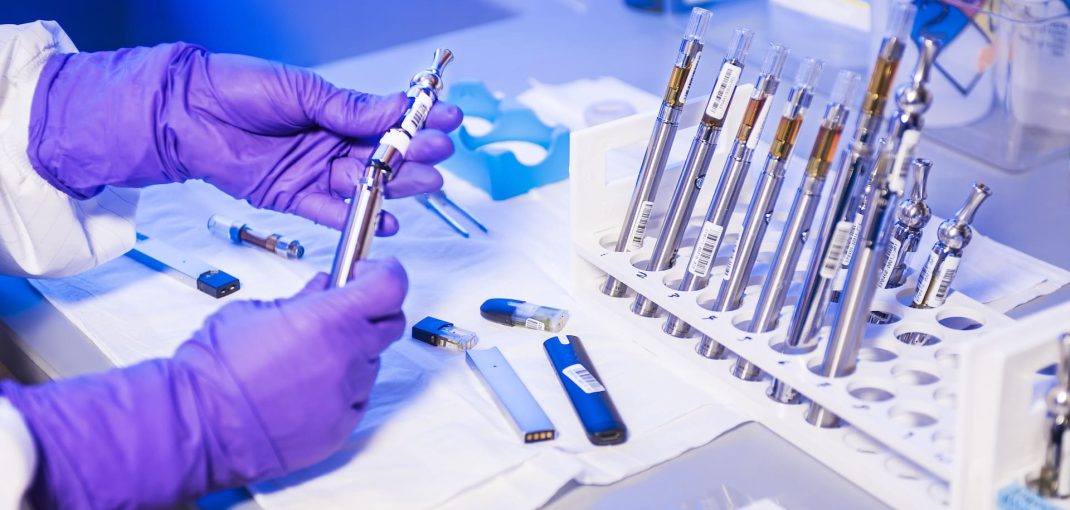
Clinical laboratories stand as the crucibles of scientific exploration, where theories are tested, and discoveries unfold. Central to the efficacy of these laboratories is the quality and appropriateness of the equipment they house. In this article, we delve into the critical importance of investing in the right lab equipment and the far-reaching impacts it has on education and research.
6 Main Factors For Buying Quality Lab Equipments
Budget Considerations
Determine a specific budget for your lab equipment before initiating the shopping process. Research various suppliers to identify competitive rates, ongoing promotions, and discounts. If budget constraints exist, explore the option of leasing equipment, which often includes repair and maintenance costs.
Brand and Quality Assessment
Research reputable brands known for manufacturing high-quality and reliable lab equipment. Check online customer reviews to guide your selection process. While top brands may be pricier and available only from specific labs, newer brands are emerging with cost-effective, durable, and efficient options.
New vs. Used Equipment
Consider whether to purchase new or used equipment. While new equipment may be expensive, explore re-certified used options. Exercise caution when buying used equipment to avoid unforeseen repair costs. Lower initial prices may lead to higher expenses in the long run due to potential repairs and reconditioning.
Ease of Use
Choose lab equipment that aligns with your skill set. Opt for user-friendly options, especially in understaffed labs, and consider advanced automated solutions to minimize user interventions. Avoid overly complex features that may complicate research procedures. The goal is to enhance efficiency and manageability in your research work.
Product Features Evaluation
Conduct a thorough evaluation and comparison of technical features and specifications offered by different brands. Assess the value each piece of equipment adds to your lab, including processing speed and sample capacity. Consider the physical size of the equipment in relation to your lab space, exploring space-saving bench-top models that maintain efficiency.
Warranty and After-Sale Services
Communicate with manufacturers or sellers to gather detailed information about the equipment. Inquire about known issues, warranty periods, and post-sales support. A comprehensive product warranty, along with reliable after-sale services, can potentially save both money and valuable lab time.
More Factor – Precision for Accurate Results
The right lab equipment ensures accurate measurements and observations, laying the foundation for reliable results. Whether it’s a spectrometer, oscilloscope, or a simple set of vernier calipers, the accuracy of these tools directly influences the credibility of experiments and subsequent analyses.
Benefits:
- Scientific Rigor: Accurate equipment facilitates precise scientific investigations.
- Data Integrity: Reliable results form the basis of valid conclusions.
- Educational Value: Students learn the importance of precision in scientific endeavors.
Safety First: Mitigating Risks in Lab Environments
High-quality lab equipment is designed with safety features that mitigate these risks. From fume hoods that ensure proper ventilation to safety goggles that protect the eyes, the right equipment safeguards both students and educators.
Benefits:
- Risk Reduction: Well-designed equipment minimizes the potential for accidents.
- Regulatory Compliance: Adherence to safety standards ensures a secure learning environment.
- Confidence Building: Students and educators feel confident working in a secure lab setting.

Durability: A Long-Term Investment in Education
Investing in buying quality lab equipments which is most durable lab equipment is a strategic choice for educational institutions. Buying quality lab equipments withstand the rigors of frequent use, reducing the need for frequent replacements. This not only saves costs in the long run but also ensures continuity in educational activities.
Benefits:
- Cost-Effectiveness: Durable equipment reduces the frequency of replacements.
- Sustainable Practices: Long-lasting instruments contribute to environmental sustainability.
- Uninterrupted Learning: Consistent availability of equipment supports ongoing educational activities.

Technological Integration: Preparing Students for the Future
The right lab equipment embraces technological advancements. Instruments equipped with modern features prepare students for the technological landscape they will encounter in their scientific careers. This includes interfaces that allow for computerized data collection and analysis, aligning with contemporary scientific practices.
Benefits:
- Technological Fluency: Students develop proficiency in using modern scientific tools.
- Career Readiness: Exposure to technology prepares students for real-world scientific roles.
- Enhanced Learning Experience: Interactive interfaces make physics education engaging.

Versatility: Supporting Diverse Learning Objectives
Physics laboratories cater to a spectrum of experiments, each with its unique requirements. The right lab equipment is versatile, accommodating a range of experiments and learning objectives. Whether it’s optical benches for studying light or force tables for exploring vectors, versatile equipment enhances the breadth and depth of educational experiences.
Benefits:
- Curricular Flexibility: Versatile equipment supports diverse experiments and lessons.
- Holistic Learning: Students gain exposure to various aspects of physics through versatile tools.
- Customization Experiment: Educators can tailor experiments to meet specific learning outcomes.

Final Consideration:
In the dynamic landscape of healthcare, the choice of buying quality lab equipments isn’t merely a transaction; it’s a strategic decision that shapes the efficiency and precision of diagnostic processes. As we navigate through the intricacies of how to buy the right equipment, we find that the core purpose served is not just acquiring instruments but investing in the backbone of accurate diagnostics.
The right buying quality lab equipments becomes a conduit for healthcare excellence, ensuring that every result is a testament to quality and reliability. In our final considerations, it becomes evident that this process involves meticulous research, staying abreast of technological advancements, and aligning with reputable suppliers.
As we embark on this journey, let’s remember that the right clinical lab equipment is not just a tool; it’s a commitment to advancing healthcare standards and fostering a healthier tomorrow.