

Advancements in Medical diagnostics have come a long way from the days of rudimentary tests and unreliable methods. The field has witnessed remarkable advancements, thanks in no small part to high-quality laboratory equipment. In this comprehensive guide, we’ll explore how cutting-edge lab equipment is transforming medical diagnostics and shaping the future of healthcare.
Advancements in Medical Diagnostics
Early Diagnostic Methods
In the early days of medicine, diagnostics were often based on observations, symptoms, and guesswork. Lab equipment was virtually nonexistent, leaving healthcare providers with limited tools to work with.
Emergence of Modern Lab Equipment
The turning point came with the development of modern laboratory equipment and advancements in medical diagnostics. The late 19th and early 20th centuries saw the introduction of microscopes, spectrophotometers, and other specialized instruments. These innovations revolutionized the accuracy and reliability of medical diagnostics. The ability to examine blood, tissues, and other bodily substances with precision marked a significant leap forward.
High-Quality Lab Equipment: A Foundation for Precision
The Importance of Quality
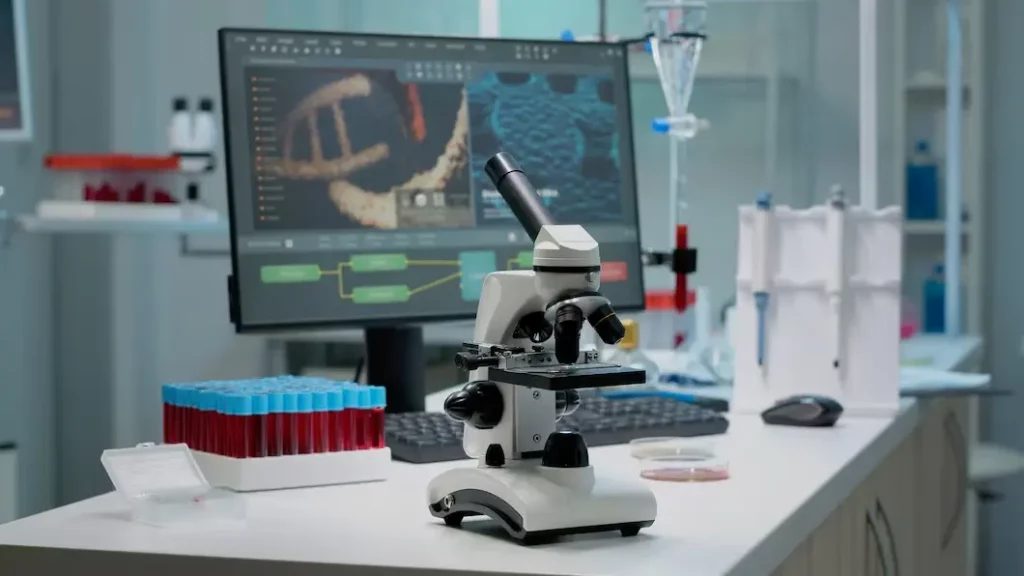
Quality matters significantly in advancements in medical diagnostics. High-quality lab equipment is the cornerstone of accurate results. Precision is critical when dealing with patient health, and subpar equipment can lead to errors that impact diagnoses and treatment decisions. High-quality equipment ensures reliability and repeatability in diagnostic results, reducing the margin for error.
Types of High-Quality Lab Equipment
High-quality lab equipment encompasses a wide range of devices, including analysers, microscopes, PCR machines, and more. Each type plays a crucial role in diagnostics. For example, automated analyzers can process samples rapidly and deliver precise results, while advanced microscopes enable the examination of tissues and cells at a microscopic level.
Advantages of High-Quality Lab Equipment
The advantages of using high-quality lab equipment in medical diagnostics are multifaceted. Here are some key benefits:
- Precision: High-quality equipment delivers results with high precision.
- Reliability & Repeatability: It produces consistent results, reducing the likelihood of errors.
- Efficiency: Modern lab equipment speeds up the diagnostic process, allowing for quicker treatment decisions.
- Advanced Features: Many devices come with advanced features such as automation and integration with electronic health records (EHRs).
These advantages translate into improved patient care, more efficient healthcare delivery, and better overall outcomes.
Innovations Shaping the Future
Automation and AI
Automation and artificial intelligence (AI) are at the forefront of innovation in medical diagnostics. Automated diagnostic workflows are becoming increasingly common, allowing for rapid and consistent sample processing. AI algorithms can analyze vast datasets and identify patterns that may elude human observers. This integration of automation and AI promises to accelerate the diagnostic process, reduce errors, and enhance the precision of results.

Portable and Point-of-Care Testing
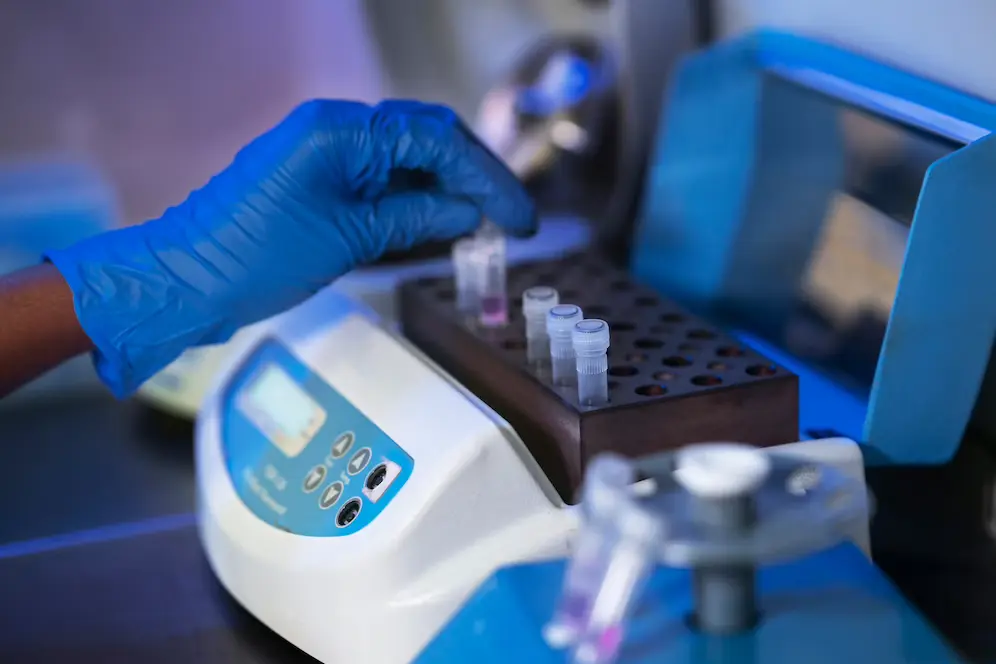
The advent of portable lab equipment is a game-changer, especially in remote or resource-limited areas. Portable devices can perform a wide range of tests, from blood chemistry to infectious disease detection, right at the patient’s bedside. Point-of-care testing empowers healthcare providers with real-time data, enabling swift treatment decisions and improving patient outcomes.
Integration with Electronic Health Records (EHR)
Seamless integration with electronic health records (EHRs) is essential for modern diagnostics. High-quality lab equipment is designed to communicate directly with EHR systems, ensuring that test results are recorded accurately and promptly. This integration streamlines healthcare processes, reduces paperwork, and enhances patient care by providing a comprehensive view of a patient’s medical history.

Molecular Diagnostics and Genomic Sequencing
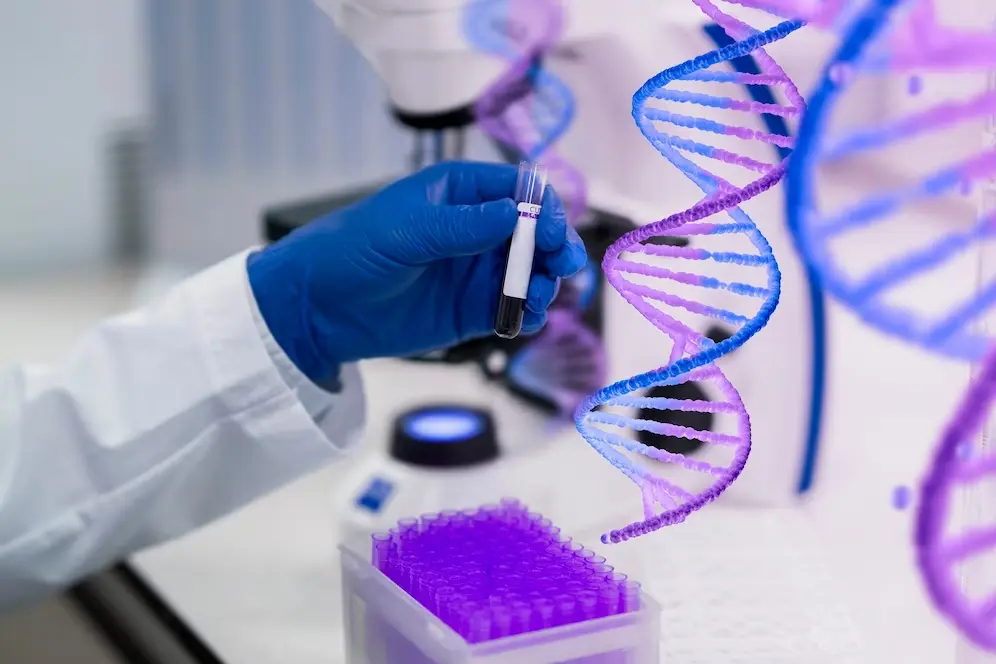
Advancements in molecular diagnostics have opened the door to personalized medicine. High-quality lab equipment is instrumental in processes like DNA sequencing and gene expression analysis. These technologies enable healthcare providers to tailor treatments to an individual’s genetic makeup, leading to more effective therapies and better patient outcomes.
Challenges and Solutions
Regulatory Compliance
With the increasing complexity of lab equipment, maintaining regulatory compliance is paramount. Strict adherence to standards such as Good Laboratory Practices (GLP) and Good Manufacturing Practices (GMP) is essential. Regular equipment maintenance, calibration, and validation is crucial for meeting regulatory requirements. Additionally, lab equipment manufacturers are continuously improving compliance features in their products.
Cost Considerations
Investing in high-quality lab equipment can be a significant financial commitment. However, it’s important to view this as an investment in improved patient care and diagnostic precision. Healthcare providers can explore cost-effective procurement strategies, such as leasing or equipment-sharing arrangements, to mitigate upfront costs.
Conclusion
High-quality lab equipment is the backbone of advancements in medical diagnostics. It ensures precision, reliability, and efficiency in delivering accurate results. As innovations continue to shape the future of healthcare, the role of lab equipment becomes even more critical in providing personalized and effective patient care.
Ready to explore high-quality lab equipment that can transform your diagnostic capabilities? Contact us at support@kwipdeals.com today to learn more about our cutting-edge solutions.
~ Warm regards,
Dr. Dipti Charisma Ekka, MBBS, MD, MHA