

In our fast-paced and often stressful modern lives, maintaining good mental health, known as “Top 6 Benefits of Mindfulness Meditation for Mental Health” has become more crucial than ever before. The demands of work, relationships, and personal responsibilities can sometimes leave us feeling overwhelmed, anxious, or depressed. Fortunately, there are effective tools and practices available to help us manage these challenges and promote mental well-being. One such tool is mindfulness meditation.
Benefits of mindfulness meditation, rooted in ancient traditions, has gained significant attention in recent years for its remarkable impact on mental health. This practice involves paying deliberate attention to the present moment, without judgment, and with an attitude of acceptance and compassion. It can be as simple as focusing on your breath, bodily sensations, or the sights and sounds around you. While mindfulness meditation is not a panacea for all mental health issues, numerous studies and anecdotal evidence suggest that it can provide a wide range of benefits for mental well-being.
Comprehending 6 Advantages of Mindfulness Meditation

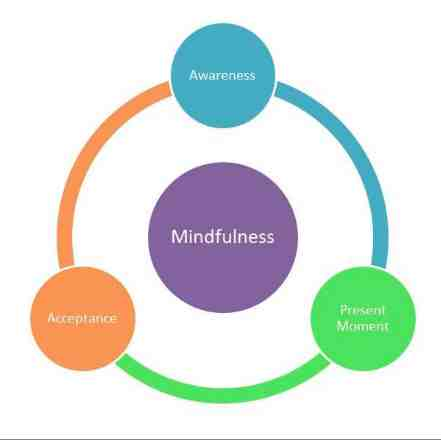
Before delving into the many benefits of mindfulness meditation, it’s essential to understand what this practice entails. Mindfulness meditation can be broken down into several key components:
- Focused Attention: Practitioners focus their attention on a specific object or aspect of the present moment, such as their breath, bodily sensations, or a sound. This helps anchor the mind and prevent it from wandering.
- Non-Judgmental Awareness: Mindfulness involves observing thoughts, emotions, and sensations without judgment. Instead of categorizing experiences as good or bad, right or wrong, mindfulness encourages an attitude of curiosity and acceptance.
- Acceptance and Compassion: Practitioners cultivate self-compassion and acceptance, allowing themselves to experience thoughts and emotions without resistance. This compassionate stance can be extended to others as well.
- Present-Moment Focus: The primary goal of mindfulness meditation is to be fully present in the here and now, rather than dwelling on the past or worrying about the future.
With these foundational principles in mind, let’s explore the remarkable benefits that mindfulness meditation can offer for mental health.
-
Stress Reduction
One of the most well-documented benefits of mindfulness meditation is its ability to reduce stress. In today’s fast-paced world, chronic stress has become a widespread issue that can lead to a host of physical and mental health problems. Mindfulness meditation helps individuals become more aware of their stress triggers and teaches them to respond to stress in healthier ways.
Regular mindfulness practice can reduce the production of stress hormones like cortisol, lower blood pressure, and alleviate the physical symptoms associated with stress. By training the mind to stay present, individuals can break the cycle of rumination and worry, leading to a calmer and more resilient response to stressors.
-
Anxiety Management

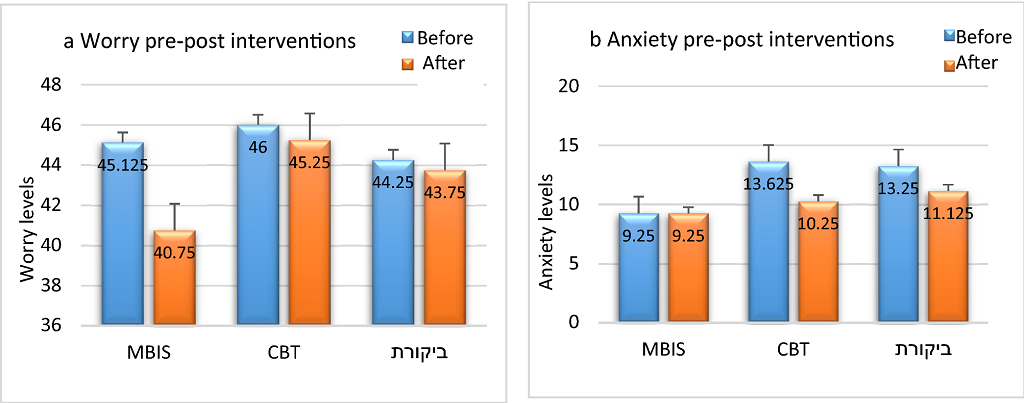
Anxiety disorders are among the most common mental health issues globally. Benefits of mindfulness meditation has shown promising results in managing anxiety, making it a valuable tool for individuals struggling with excessive worry, social anxiety, or panic attacks.
Through mindfulness, individuals can develop greater self-awareness of anxious thought patterns. This awareness allows them to interrupt and reframe these thoughts, reducing their power to provoke anxiety. Moreover, mindfulness practices like deep breathing and progressive muscle relaxation can be employed during moments of acute anxiety to provide immediate relief.
-
Improved Emotional Regulation
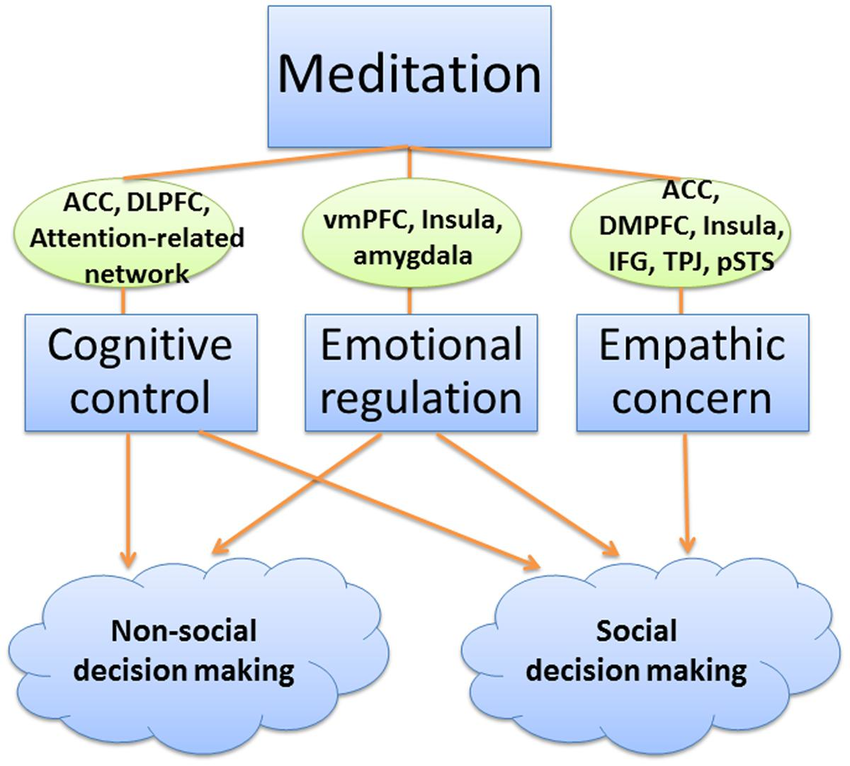
Emotional regulation refers to the ability to manage and respond to emotions in a healthy and adaptive way. For many people, unchecked emotions can lead to mood disorders, relationship problems, and impulsive behaviors. Benefits of mindfulness meditation fosters emotional regulation by enhancing one’s capacity to observe emotions without immediate reaction.
When individuals practice mindfulness, they create a gap between stimulus and response, allowing them to choose how to react to emotions consciously. This increased emotional intelligence can lead to better communication, healthier relationships, and reduced vulnerability to mood swings and emotional disturbances.
-
Enhanced Self-Awareness
Self-awareness is a cornerstone of mental health and personal growth. Mindfulness meditation encourages individuals to turn their attention inward, exploring their thoughts, emotions, and inner experiences. Through this process, individuals gain a deeper understanding of themselves, their values, and their motivations.
Self-awareness can be particularly valuable in managing mental health challenges. It helps individuals identify patterns of thought and behavior that may contribute to issues like depression or substance abuse. With mindfulness, individuals can choose more adaptive responses to life’s challenges, fostering personal growth and resilience.
-
Decreased Symptoms of Depression
Depression is a complex and challenging mental health condition that affects millions of people worldwide. While mindfulness meditation is not a replacement for professional treatment, it has been shown to be a valuable complementary approach to managing depressive symptoms.
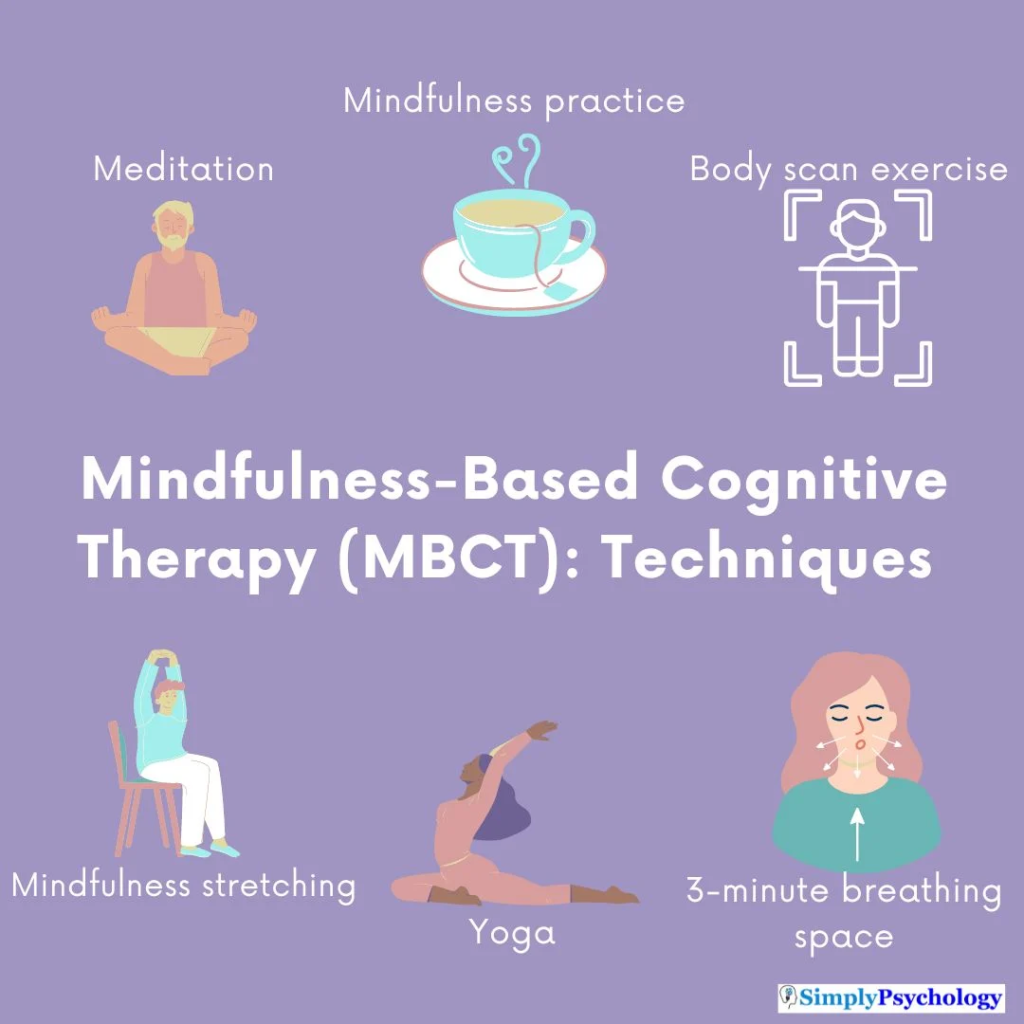
Mindfulness practices can help individuals disengage from the cycle of negative rumination that often characterizes depression. By fostering a non-judgmental attitude, mindfulness can reduce self-criticism and self-blame, common features of depression. Additionally, mindfulness-based cognitive therapy (MBCT) has been developed specifically to prevent recurrent depression by teaching individuals how to stay present and avoid depressive relapse triggers.
-
Better Sleep

Sleep problems and insomnia are often linked to mental health issues such as anxiety and depression. Mindfulness meditation can promote better sleep by calming the mind and reducing racing thoughts that can interfere with falling asleep or staying asleep. Mindfulness-based techniques for improving sleep, such as mindfulness
6 Benefits of Mindfulness Meditation – A Word from Kwipdeals
Mindfulness may have a variety of positive effects, such as reducing stress, enhancing emotional control, enhancing cognitive function, and enhancing interpersonal connections. Additionally, studies have demonstrated that mindfulness can alter the way the brain is wired and functions. Before choosing whether mindfulness is the best approach for their requirements, people should think about speaking to their doctor or therapist because adverse side effects can occasionally arise.
The practice of mindfulness is not a universal cure-all for wellbeing. Although it might be a potent wellness tool with a variety of advantages, it doesn’t mean that everyone should use it. If you want to attempt mindfulness, there are numerous manuals, apps, and other resources that may help you get started. You can also speak with a therapist about mindfulness-based therapy alternatives.
~ Warm regards,
Dr. Dipti Charisma Ekka, MBBS, MD, MHA