Beakers and Flasks: The Workhorses of Experimentation
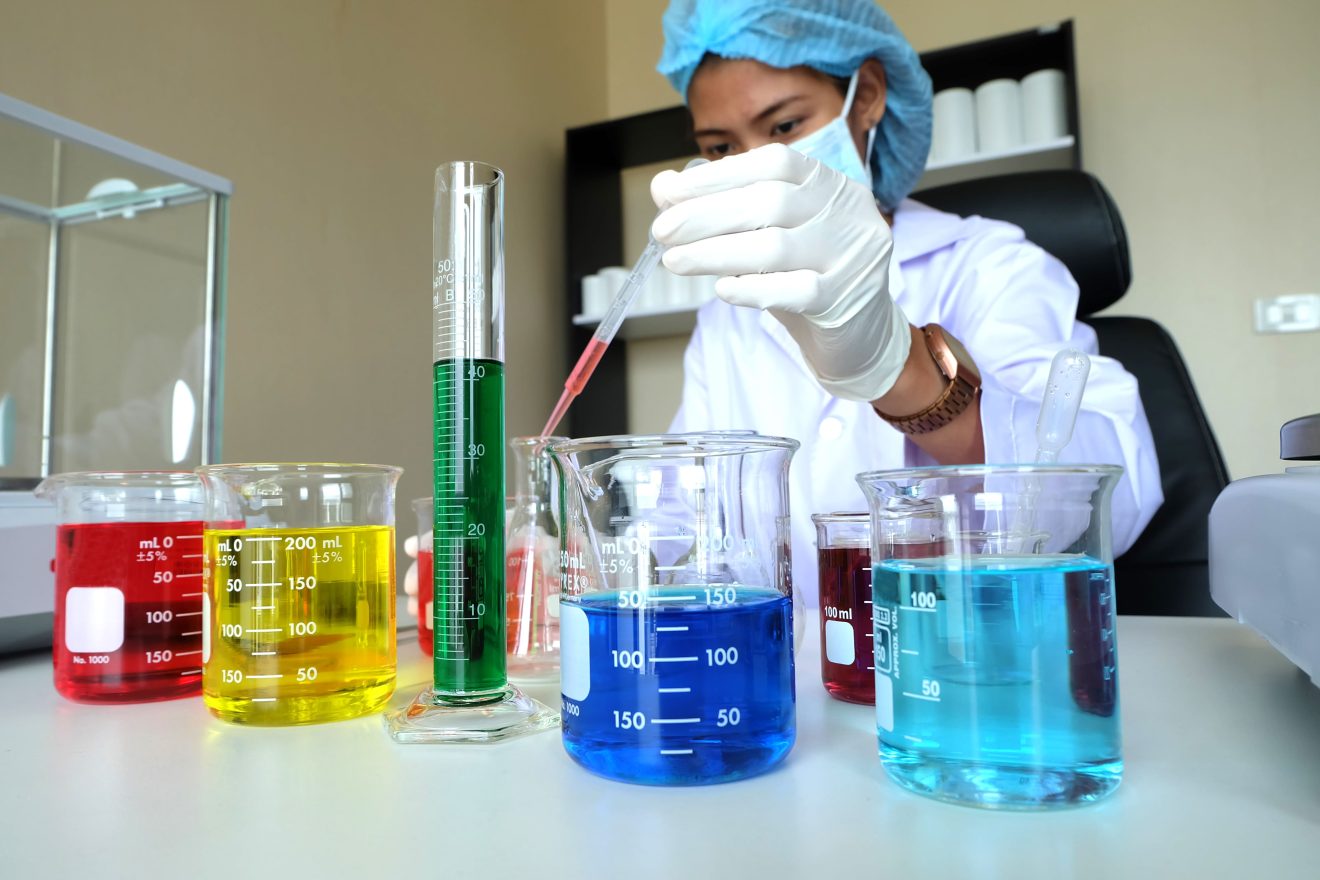
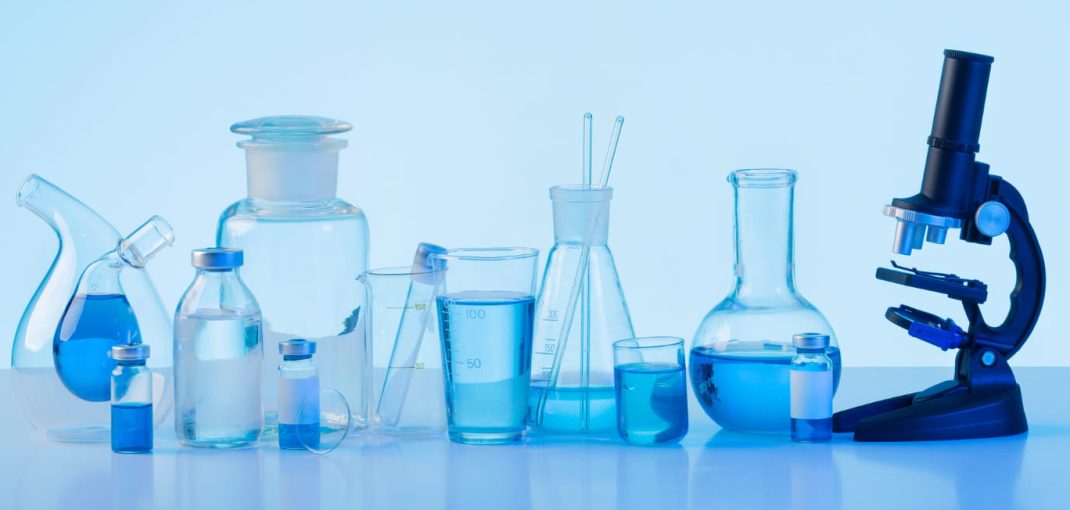
Beakers and flasks are the stalwarts of any laboratory apparatus, serving as vessels for mixing, measuring, and holding liquids. Beakers, with their cylindrical shape and wide mouth, are ideal for stirring and pouring liquids. On the other hand, flasks, often with a narrower neck, are used for reactions that involve the release of gases, ensuring controlled containment.
Test Tubes and Culture Tubes: Homes of Microcosmic Reactions
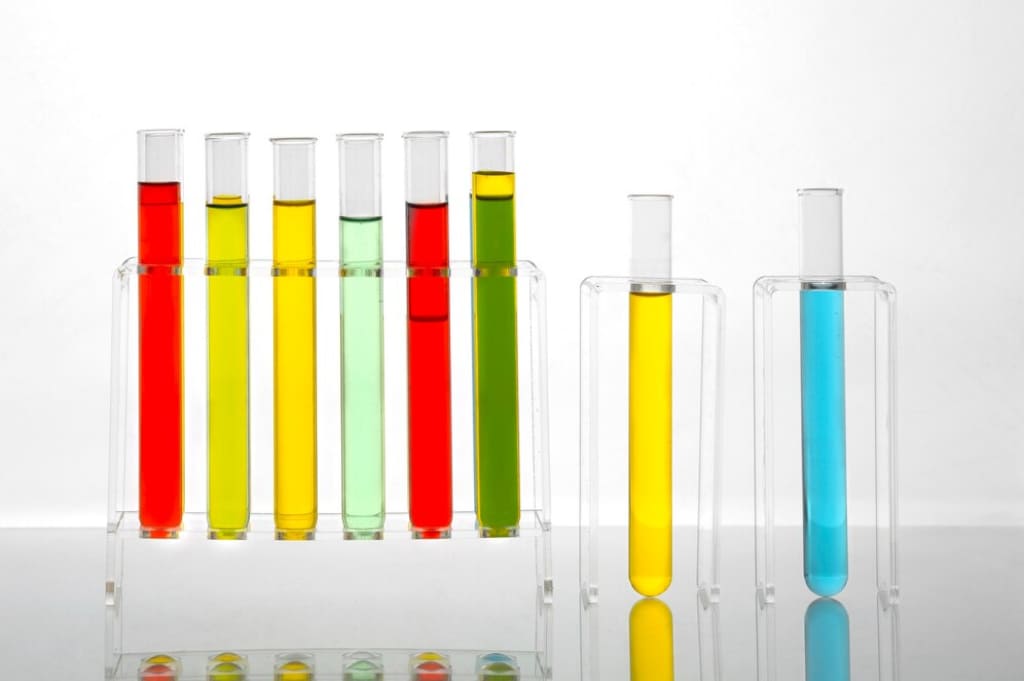
Another laboratory apparatus is test tubes, characterized by their slender and elongated shape, are iconic symbols of laboratories. They are employed for small-scale reactions, heating substances, and observing chemical changes. Culture tubes, with a similar design, are tailored for microbial and cellular cultures, facilitating the growth and study of microorganisms.
Pipettes: Precision in Volume
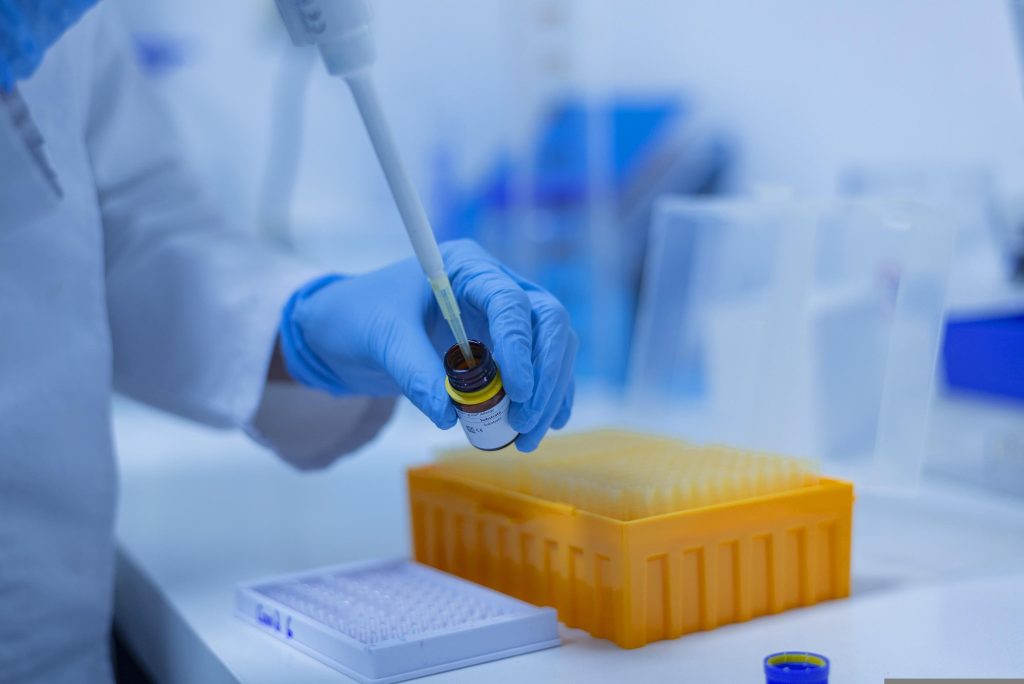
Precision in measuring and transferring small volumes of liquids is the forte of pipettes. Available in various types, including micropipettes and volumetric pipettes, these instruments ensure accuracy in experiments where even a slight deviation can lead to significant errors. Pipettes are indispensable in fields like biology, chemistry, and medical research.
Burettes: The Graduated Flow of Precision
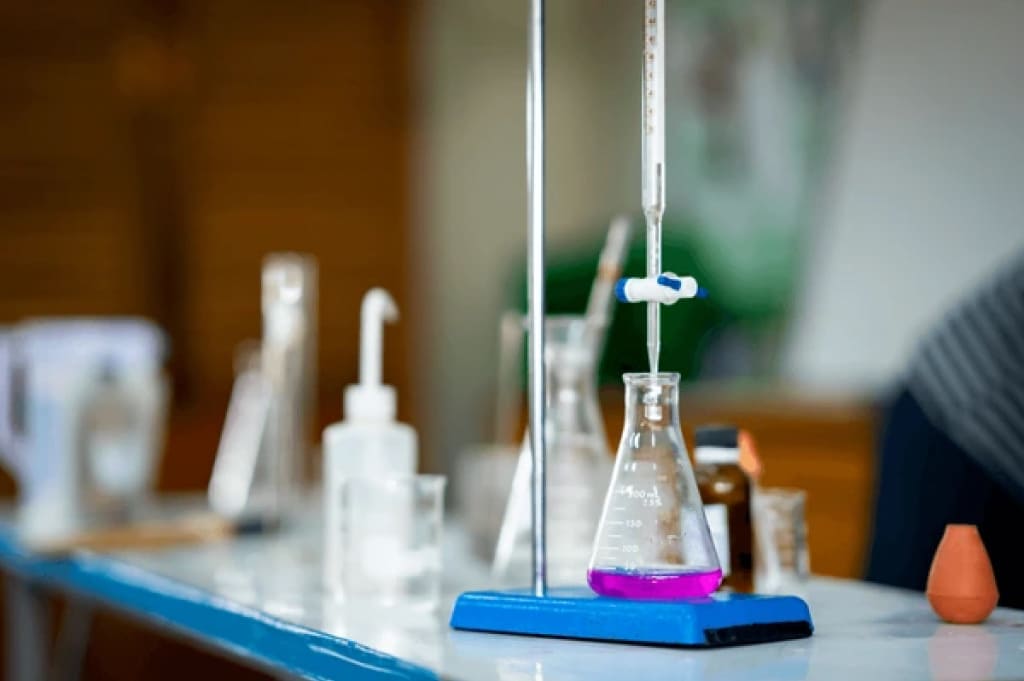
When precise measurement and control of liquids are paramount, burettes step into the limelight. These long, graduated tubes with a stopcock at the bottom allow for meticulous titrations, where the volume of a solution is precisely determined while reacting with another solution. Burettes are vital tools in analytical chemistry, ensuring accuracy in concentration calculations.
Microscopes: Unveiling the Microcosm
Microscopes open windows to the unseen world, enabling scientists to explore the microscopic realms. Light microscopes use visible light to magnify specimens, while electron microscopes employ electron beams for even higher magnification. Microscopes are foundational in fields like biology, medicine, and materials science, revolutionizing our understanding of cellular structures and tiny organisms.
Centrifuges: Separating Forces in a Spin
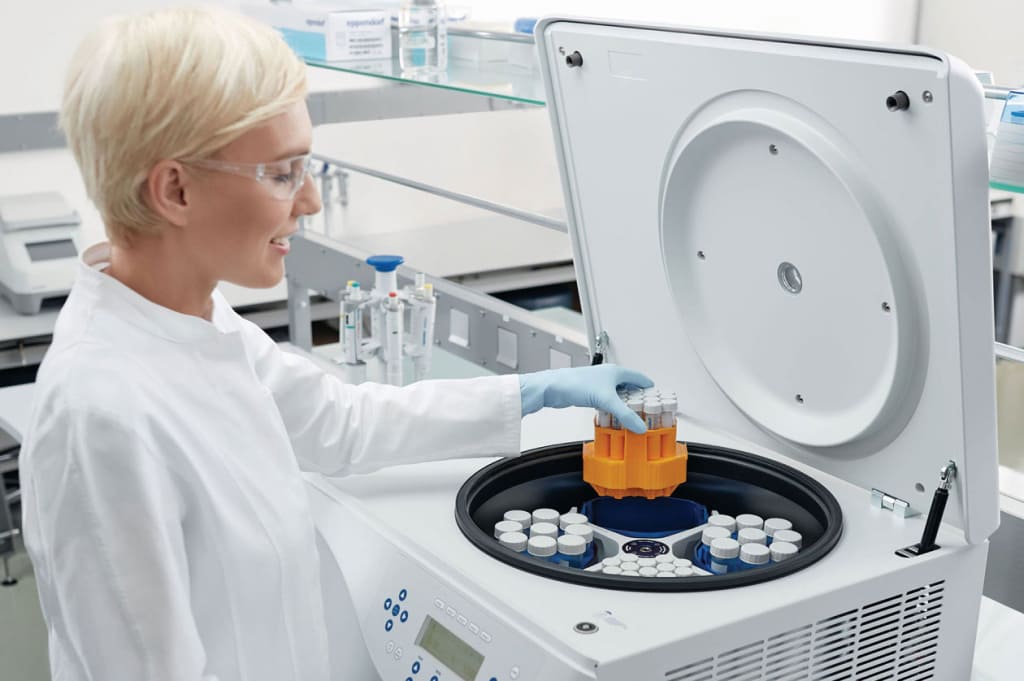
Centrifuges harness centrifugal force to separate components within a liquid sample based on their density. Commonly used for separating blood components in medical laboratories, centrifuges find applications in various scientific disciplines, including biochemistry and molecular biology. Different types of centrifuges, such as ultracentrifuges and microcentrifuges, cater to specific needs of researchers.
Incubators: Nurturing Growth in a Controlled Environment
Incubators recreate specific environmental conditions to foster the growth of cultures, cells, or microorganisms. They provide a controlled setting for experiments requiring constant temperature, humidity, and CO2 levels. Incubators play a crucial role in biological and medical research, ensuring optimal conditions for cell cultures and experiments.
Autoclaves: Sterilizing for Safety
Sterilization is a non-negotiable aspect of laboratory work, particularly in microbiology and medical research. Autoclaves, using high-pressure steam, eliminate bacteria, viruses, and other contaminants from laboratory equipment and materials. This ensures a sterile environment for experiments and prevents cross-contamination.
Spectrophotometers: Quantifying the Spectrum
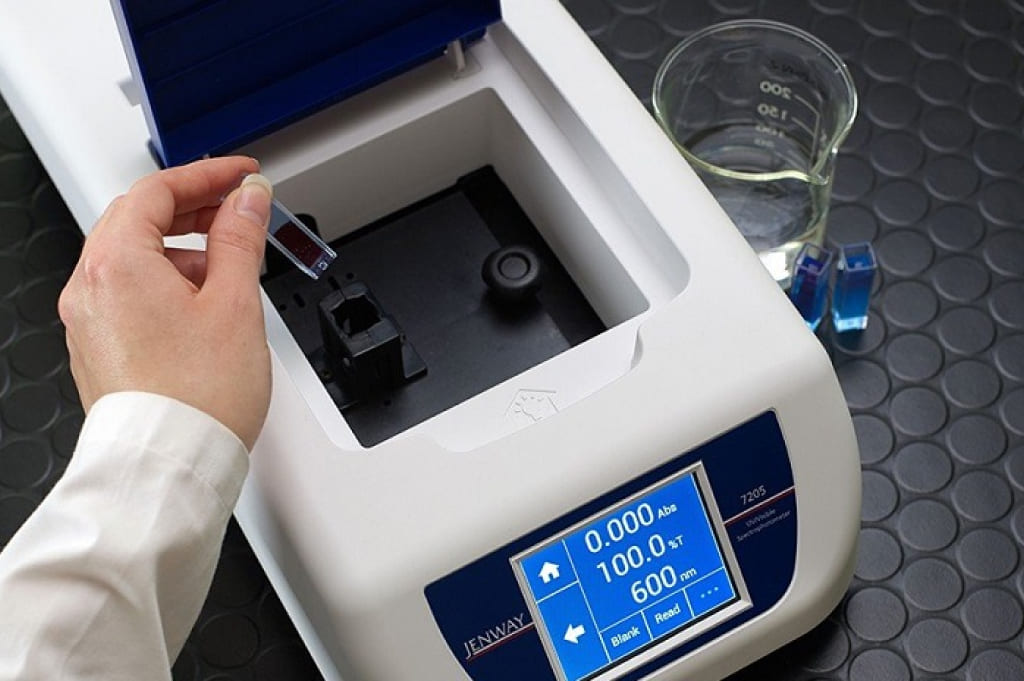
Spectrophotometers measure the intensity of light absorbed or transmitted by a sample at different wavelengths. Widely used in chemistry and biochemistry, these instruments provide valuable data about the composition and concentration of substances. Spectrophotometers play a pivotal role in quantifying DNA, proteins, and various chemical compounds.
Ovens and Furnaces: Heat for Transformation
For experiments requiring precise temperature control and heat application, ovens and furnaces step in. These apparatus are crucial for processes like drying, sterilization, and material synthesis. Furnaces, capable of reaching higher temperatures, find applications in metallurgy, ceramics, and material science.
PH Meters: Gauging Acidity and Alkalinity
The acidity or alkalinity of a solution is a fundamental parameter in many scientific investigations. pH meters provide an accurate measure of the hydrogen ion concentration in a solution, allowing researchers to monitor and control the acidity or alkalinity of their experimental environments. These instruments are indispensable in fields like chemistry, biology, and environmental science.
Chromatography Systems: Separating Mixtures with Precision
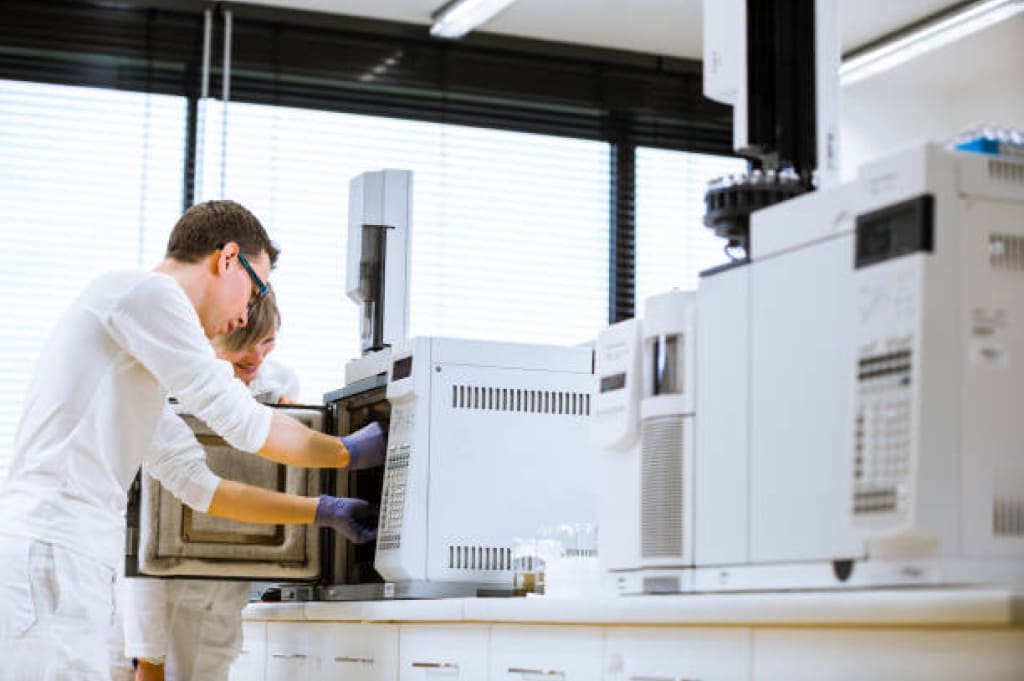
Chromatography is a versatile technique employed to separate and analyze complex mixtures. Gas chromatography, liquid chromatography, and thin-layer chromatography are among the various chromatography systems used in laboratories. These systems are vital for applications ranging from pharmaceutical analysis to environmental monitoring.
In Conclusion of type of laboratory apparatus :
The laboratory apparatus discussed here represents the diverse tools that scientists and researchers wield in their quest for knowledge and discovery. Each instrument plays a specific role, contributing to the intricate tapestry of scientific exploration. As technology continues to advance, new and innovative laboratory apparatus will undoubtedly emerge, further enriching the capabilities of laboratories worldwide. In the grand symphony of scientific inquiry, these apparatus stand as the instruments that harmonize to unveil the secrets of the natural world.