Healthcare automation trends, In the ever-evolving landscape of healthcare, the marriage of nursing and technology is paving the way for a transformative era. This blog explores five cutting-edge healthcare automation trends technologies, unraveling their multifaceted impacts and presenting a promising vision for the future of healthcare delivery.
Modern technology in healthcare automation trends is revolutionizing lives across various domains, and its impact on the healthcare sector is more profound than ever. A recent study revealed that about 82% of professional nurses believe that advancements in technology and equipment innovation enable them to provide better patient care. Let’s delve into the technologies that these nurses are talking about.
Significance of Upcoming Healthcare Automation Trends
In the realm of healthcare, the integration of Robotic Process Automation (RPA) or Healthcare automation Trends not only lightens the burden on staff but also introduces IT-driven automation to enhance patient outcomes. The surge in RPA adoption within healthcare can be attributed to several pivotal factors:
- Data Interoperability: Facilitating seamless data exchange between various healthcare systems has become a driving force behind the increased incorporation of RPA.
- Rapidly Changing Business Models: The dynamic nature of healthcare business models necessitates adaptable solutions, making RPA an attractive choice for organizations aiming to keep pace with rapid changes.
- Preference for Easy Access to Healthcare Facilities: Meeting the growing demand for convenient access to healthcare services has fueled the adoption of RPA, aligning with the evolving preferences of patients.
- Rising Healthcare Operational Costs: The escalating operational expenses in healthcare have spurred the exploration of RPA as a cost-effective solution to streamline processes and improve overall efficiency.
In the face of these intricate challenges and competing priorities, the question arises: Where should organizations concentrate their efforts to enhance the healthcare experience? The answer lies in vigilant observation of emerging trends. As the healthcare sector continues its expansion, novel trends surface, providing glimpses into the future. Seizing the opportunities presented by these technological advancements before competitors do is paramount to achieving widespread automation.
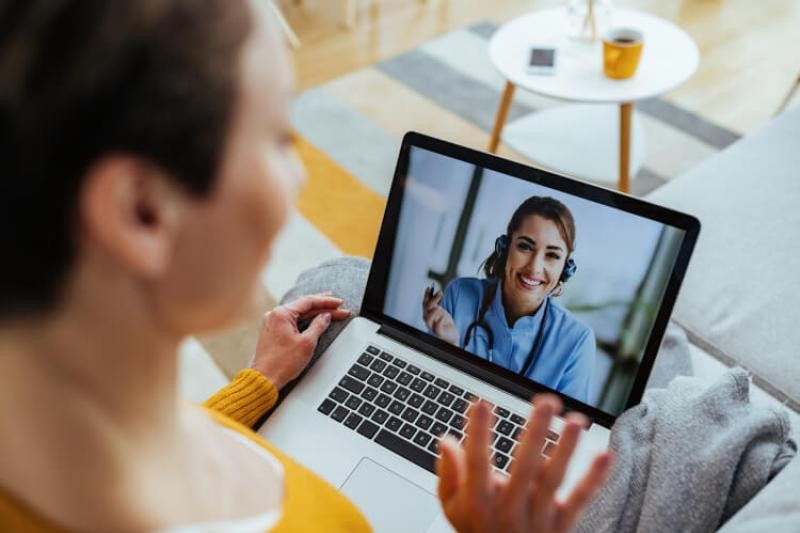
Telehealth and Remote Patient Monitoring : Bridging Gaps in Healthcare
Telehealth stands as a symbol of accessibility, breaking down geographical barriers to care. Nurses are now navigating a digital landscape, connecting with patients through virtual platforms, conducting consultations, and remotely monitoring vital signs. The integration of wearables and smart sensors empowers nurses with real-time patient data, allowing for early interventions and personalized care plans.
Benefits:
- Accessibility: Overcomes geographical constraints, bringing healthcare to remote areas.
- Timely Interventions: Enables quick response to changes in patient health.
- Patient Empowerment: Encourages patients to actively engage in their healthcare.
Electronic Health Records (EHRs): The Digital Backbone of Nursing
Say goodbye to paper trails, EHRs have ushered in an era of streamlined information management. Nurses can access centralized platforms containing comprehensive patient data, from medical histories to test results. The efficiency of EHRs empowers nurses to make informed decisions at the point of care, fostering a holistic approach to patient well-being.
Benefits:
- Efficiency: Quick retrieval of patient information enhances decision-making.
- Coordination: Facilitates seamless collaboration among healthcare professionals.
- Data Accuracy: Reduces the risk of errors associated with manual record-keeping.

Robotics and Automation: Allies in Nursing Efficiency
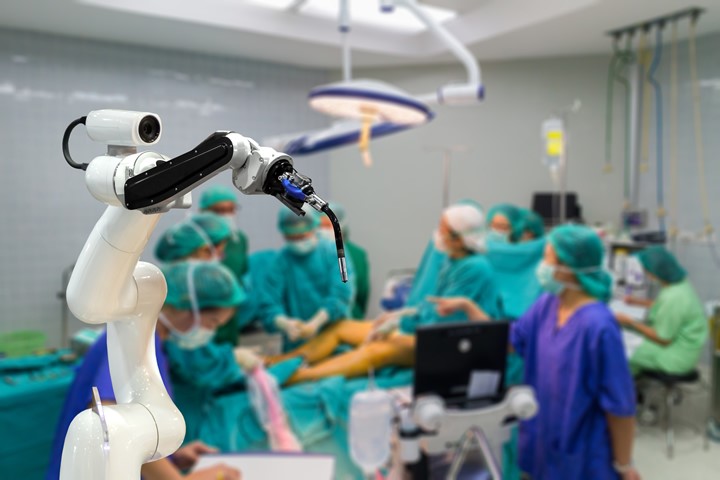
Welcome to the era of robotic collaboration. Robots, equipped for routine tasks like medication delivery, alleviate the burden on nurses, allowing them to redirect focus towards intricate aspects of patient care. Robotic exoskeletons have emerged as aids in patient mobility, reducing physical strain on nurses and enhancing rehabilitation efforts.
Benefits:
- Task Efficiency: Robots handle routine tasks, enabling nurses to focus on critical aspects.
- Patient Mobility: Robotic exoskeletons contribute to enhanced rehabilitation outcomes.
- Resource Optimization: Efficient task management leads to optimal use of nursing resources.
- Â
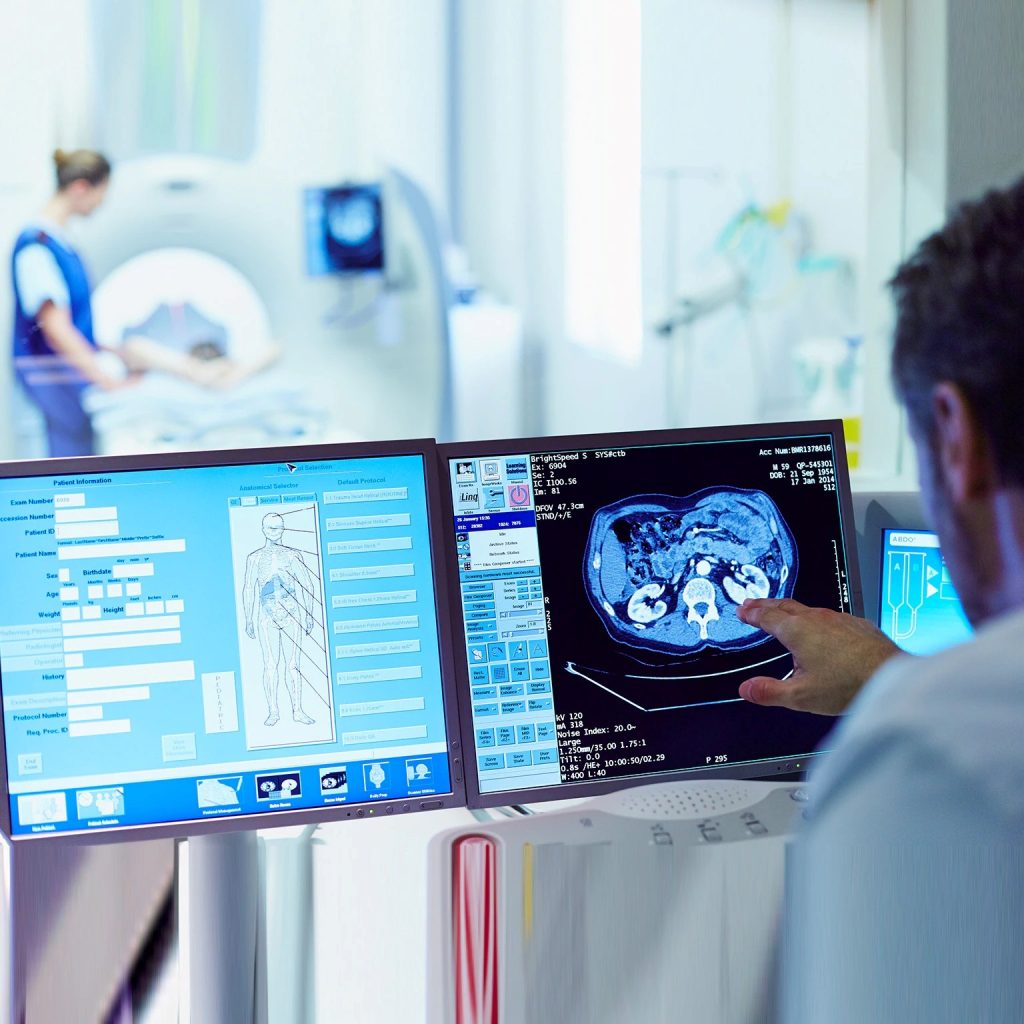
Artificial Intelligence (AI) in Diagnostics: Precision Redefined
AI algorithms are the new pioneers in diagnostic accuracy. Nurses leverage these algorithms to analyze medical images, detecting patterns that might elude the human eye. The result? Quicker, more accurate diagnoses, propelling healthcare into an era of precision medicine.
Benefits:
- Accuracy: AI enhances the precision of medical evaluations.
- Time Efficiency: Expedited diagnostic processes lead to faster treatment initiation.
- Data-Driven Insights: AI provides valuable insights for tailored patient care.
Augmented Reality (AR) for Training and Procedures: Bridging Theory and Practice
The classroom transcends physical boundaries with the infusion of augmented reality into nursing education. AR applications provide a simulated environment for nurses to practice intricate medical procedures, enhancing their skills in a risk-free space.
Benefits:
- Immersive Learning: AR brings hands-on experience to nursing education.
- Skill Enhancement: Nurses can practice complex procedures in a safe virtual setting.
- Adaptability: AR training prepares nurses for diverse clinical scenarios.
Â
In essence, these technological marvels are not mere tools, they are the architects of a future where compassionate nursing intertwines seamlessly with the precision of cutting-edge technology. As nurses embrace these innovations, the healthcare industry strides into a realm where patient care is not just a duty but a harmonious symphony of skill and technology.
Contemporary healthcare automation trends technology is not just revolutionary, it’s exhilarating. New ideas continue to emerge, impacting the industry every day. Nurses, expected to stay updated on the newest technological advancements, may find it challenging. Therefore, medical facilities must schedule regular training sessions to ensure that their nurses are proficient in using cutting-edge technologies.