
Understanding Rural Healthcare Access Barriers
Before diving into the barriers, let’s first understand what rural healthcare means and why it’s so essential. Rural healthcare primarily refers to medical services in areas with lower population density and limited access to healthcare facilities. These regions play a crucial role in a country’s economic and social well-being. Thus, ensuring the health of rural communities is both a moral imperative and a strategic necessity.
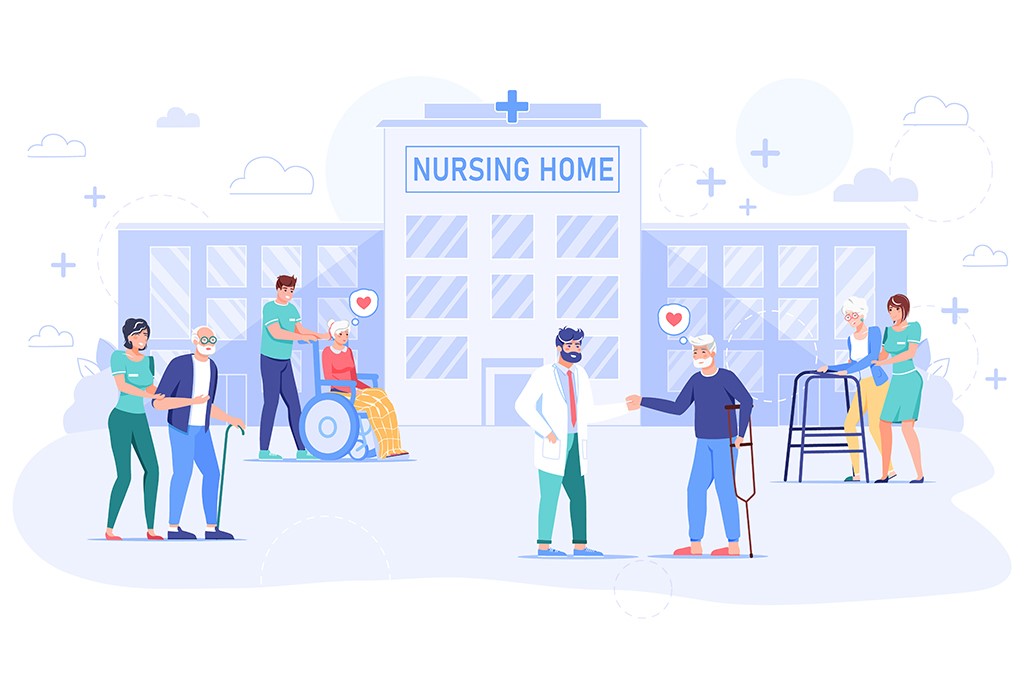
Barriers to Healthcare Access in Rural Areas
Now, we’ll explore in-depth the various barriers that prevent rural residents from accessing healthcare services. Each of the following subtopics will provide detailed insights and include relevant images.
- Geographical Challenges : Rural communities often face significant geographical challenges, as they are situated far from healthcare facilities. This distance can have a substantial impact on residents’ ability to access healthcare.

- Transportation Issues : Limited transportation options, especially in remote areas, make it difficult for rural residents to reach medical facilities. We will discuss how this challenge affects their healthcare access.
- Shortage of Healthcare Providers : The shortage of healthcare professionals in rural areas results in long wait times and inadequate care. We’ll explore how this impacts the quality of healthcare.

- Economic Constraints : Financial limitations can be a significant barrier to healthcare access. We will discuss how economic constraints prevent rural residents from seeking the care they need.
- Lack of Health Education : A lack of health awareness and education can contribute to health issues. We will explore the impact of health education on healthcare access.

- Infrastructure Gaps : Inadequate healthcare infrastructure, including the absence of medical facilities and equipment, hinders access to quality healthcare.
- Digital Divide : Limited internet access and telehealth services further isolate rural communities. We’ll discuss the role of the digital divide in rural healthcare.

People in rural areas are less likely to be tested with chronic conditions
Rural communities have long been known to have socioeconomic and health disparities. Elderly people with several chronic diseases are more likely to be those in need of access to healthcare in remote locations. The rural population is shown to have higher rates of obesity, diabetes, coronary heart disease, and cigarette smoking, all of which have a substantial negative impact on long-term health. Most people in rural regions also lack health insurance.
Transportation can be more burdensome to people in rural areas than patients in the urbanized areas
Long trips are more common for residents of rural locations to get health care services, particularly subspecialist services. One major obstacle to receiving health treatment is even just not having access to transportation, particularly for older people who have limited mobility. Additional travel-related annoyances include longer travel times, higher costs, and longer absences from home or work.
- Solutions for Bridging the Gap : In this section, we will delve into the potential solutions to address these barriers. Each solution will be presented with information and accompanied by an image.
- Telemedicine and Telehealth : Telemedicine can significantly bridge the gap, enabling virtual consultations and remote monitoring. We will highlight the role of technology in rural healthcare.

- Mobile Clinics : Mobile clinics equipped with diagnostic and treatment facilities can reach remote areas, offering essential healthcare services.
- Health Education and Awareness : We will discuss the importance of community health education programs that empower residents with health knowledge.

- Investment in Rural Healthcare Infrastructure : Governments and organizations must invest in building and upgrading healthcare infrastructure in rural areas, including hospitals, clinics, and diagnostic facilities.
- Medical Scholarships and Incentives : Initiatives such as medical scholarships and incentives can attract healthcare professionals to serve in rural areas, addressing the provider shortage.
- Public-Private Partnerships : Efforts between the public and private sectors can lead to innovative solutions for improving rural healthcare access.
Conclusion
In conclusion, we’ll reiterate the significance of addressing these barriers comprehensively and the importance of equitable healthcare access for all. Images depicting the impact of these solutions will be integrated here. For more update on medium article