PP vs PET Color codes Test Tubes
Advantages of Polypropylene (PP) Tubes
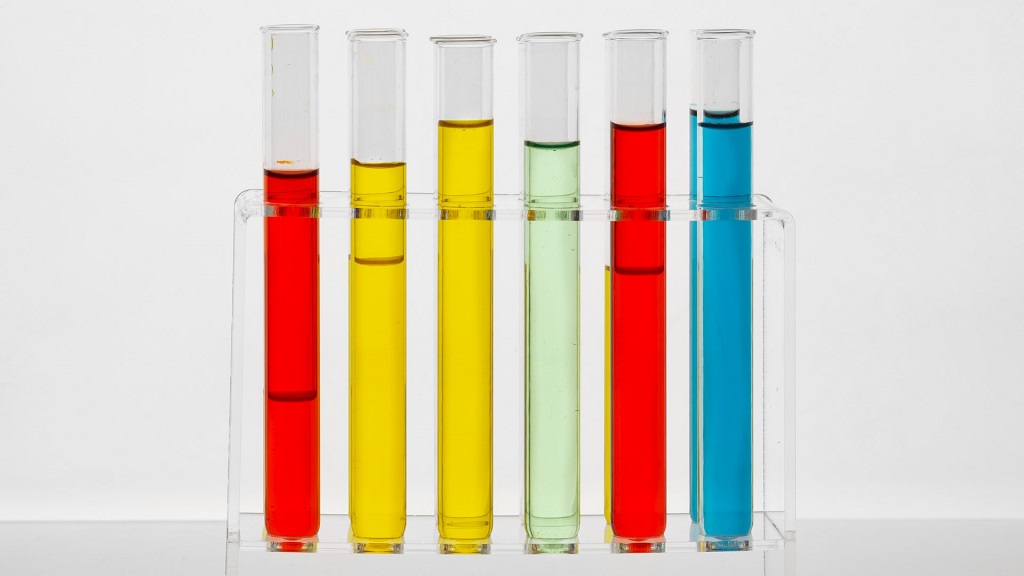
- Chemical Resistance: PP tubes are known for their excellent resistance to a wide range of chemicals, making them ideal for applications involving aggressive solvents or reagents.
- Heat Resistance: PP tubes can withstand higher temperatures compared to PET tubes, making them suitable for applications that require autoclaving or boiling.
Disadvantages of Polypropylene (PP) Tubes

- Brittleness: PP tubes can be more brittle than PET tubes, making them susceptible to breakage if handled roughly.
- Non-Recyclable: In some cases, PP tubes may not be as environmentally friendly as PET tubes, as they are less commonly recycled.
Advantages of Polyethylene Terephthalate (PET) Tubes
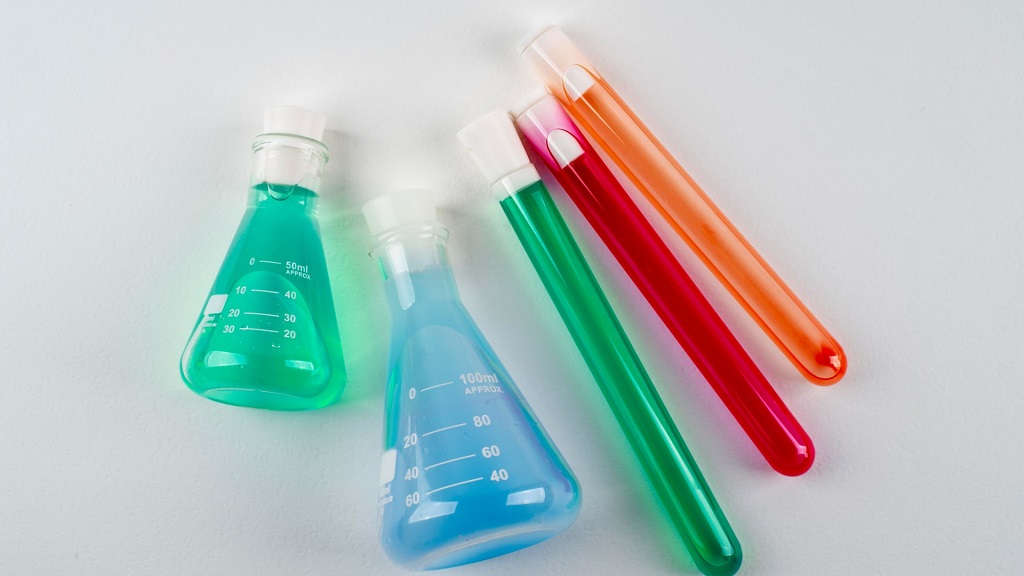
- Clarity: PET tubes are exceptionally clear, allowing for optimal visibility of the sample.
- Durability: PET tubes are more durable and less brittle than PP tubes, reducing the risk of breakage during handling.
Disadvantages of Polyethylene Terephthalate (PET) Tubes
- Chemical Sensitivity: PET may not be as chemically resistant as PP, and it may not be suitable for some aggressive chemicals.
- Lower Heat Tolerance: PET tubes have a lower heat tolerance compared to PP tubes, limiting their use in high-temperature applications.
Color-Coding for Test Tubes
Understanding the Color Code
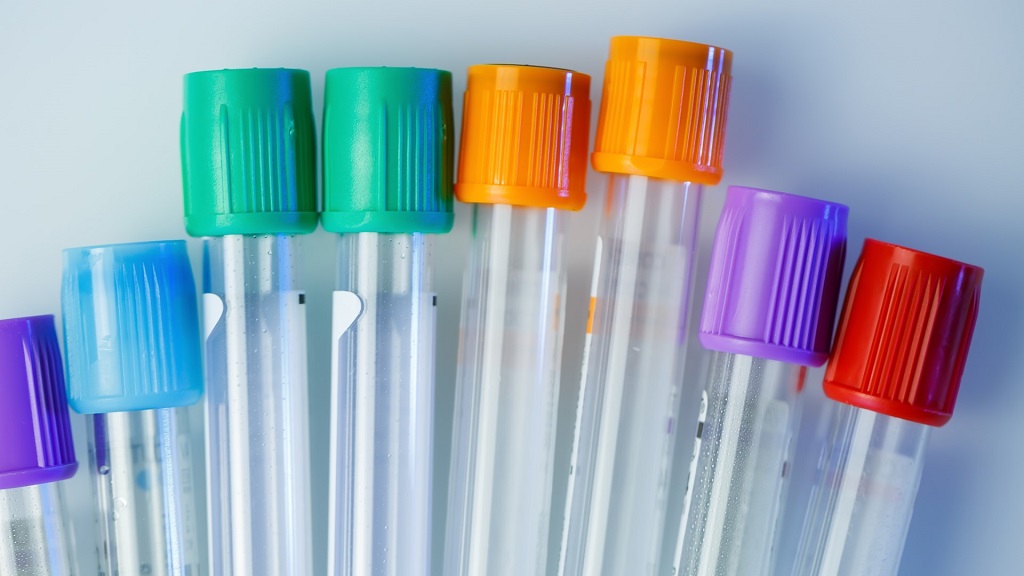
- In laboratories worldwide, a standardized color-coding system is used for test tube caps to denote specific types of tests or sample categories.
The Significance of Color Codes
- This system ensures consistency and helps laboratory personnel quickly identify the nature of the contents.
Color Coding Conventions
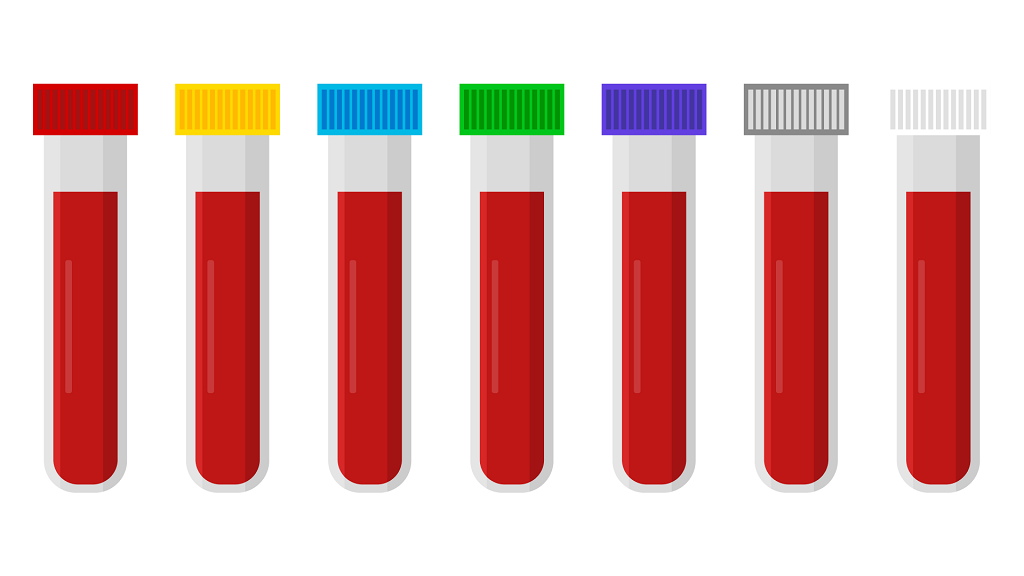
- Red / Golden Yellow Top
- Common Additives: None or clot activator and gel separator (Red).
- Tests: Serum chemistry, blood bank, and serology tests.
- Lavender or Purple Top
- Common Additives: EDTA (Ethylenediaminetetraacetic acid).
- Tests: Hematology, complete blood count (CBC), and blood bank tests.
- Light Blue Top
- Common Additives: Sodium citrate.
- Tests: Coagulation studies, including prothrombin time (PT) and activated partial thromboplastin time (aPTT).
- Green Top
- Common Additives: Heparin (lithium, sodium).
- Tests: Plasma chemistry tests, such as electrolytes, ammonia, and arterial blood gases (ABG).
- Gray Top
- Common Additives: Sodium fluoride.
- Tests: Glucose
When choosing the best test tube, don’t forget about these additional factors:
Sterility: Whether sterile, non-sterile, or aseptic, this property influences the microbiological stability of the substance.
Graduation: From 5ml to 5ml or 2.50ml to 2.50ml, or non-graduated if the material being analyzed or kept must be measured at a glance.
The presence of a rim or not: To facilitate the pouring.
The size of the tube: Specifically, if a rack is required or whether it must be placed into an automat.
Volume: Depending on the application
Conclusion
Making Informed Choices between PP vs PET color codes test tubes

- In conclusion, the choice between PP and PET test tubes depends on the specific requirements of your laboratory work.
Emphasizing the Significance of Choice
- Whether you’re handling sensitive biological samples or conducting routine chemistry tests, selecting the right test tube material and correctly interpreting color codes will ensure the reliability of your research and experiments.
~ Warm regards,
Dr. Amit Arora
Director-kwipdeals