Hematology Analyzer Overview
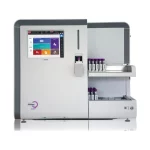
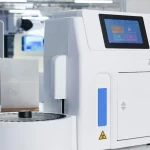
Hematology analyzer are instrumental in providing a comprehensive assessment of blood components, aiding in the diagnosis and monitoring of various medical conditions. They automate the process of counting and characterizing blood cells, offering invaluable insights to healthcare professionals.
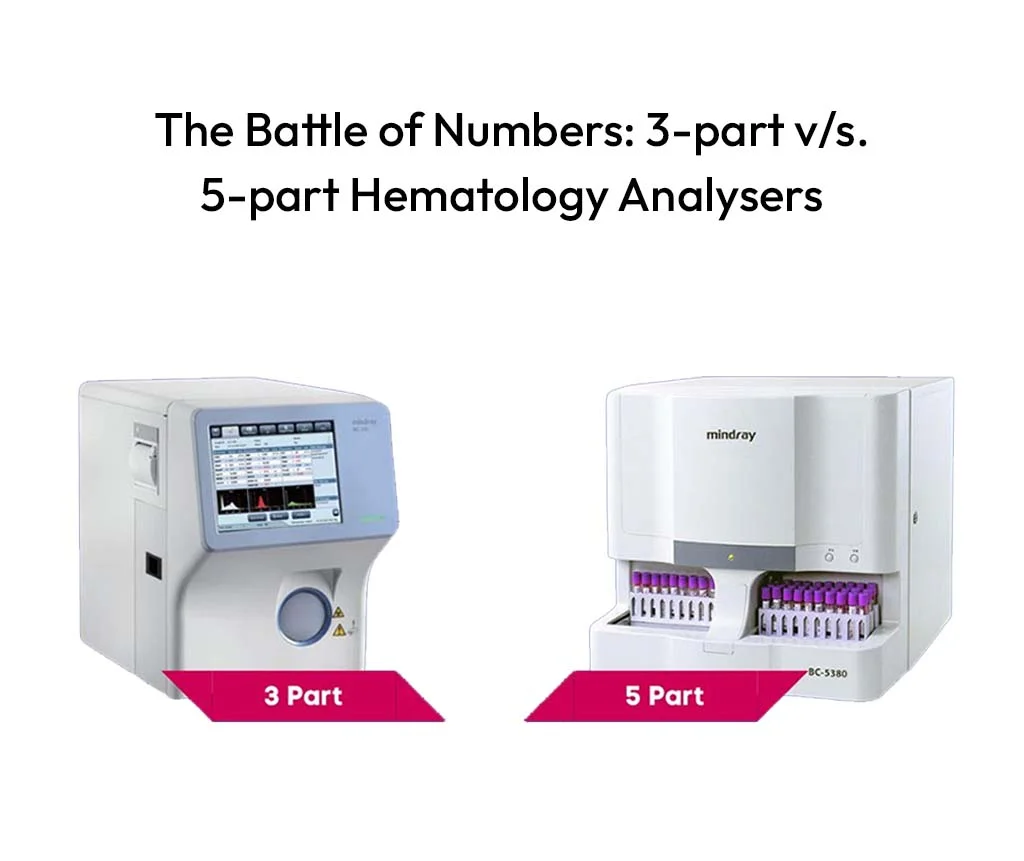
3-part Hematology Analyzer
Components Analyzed
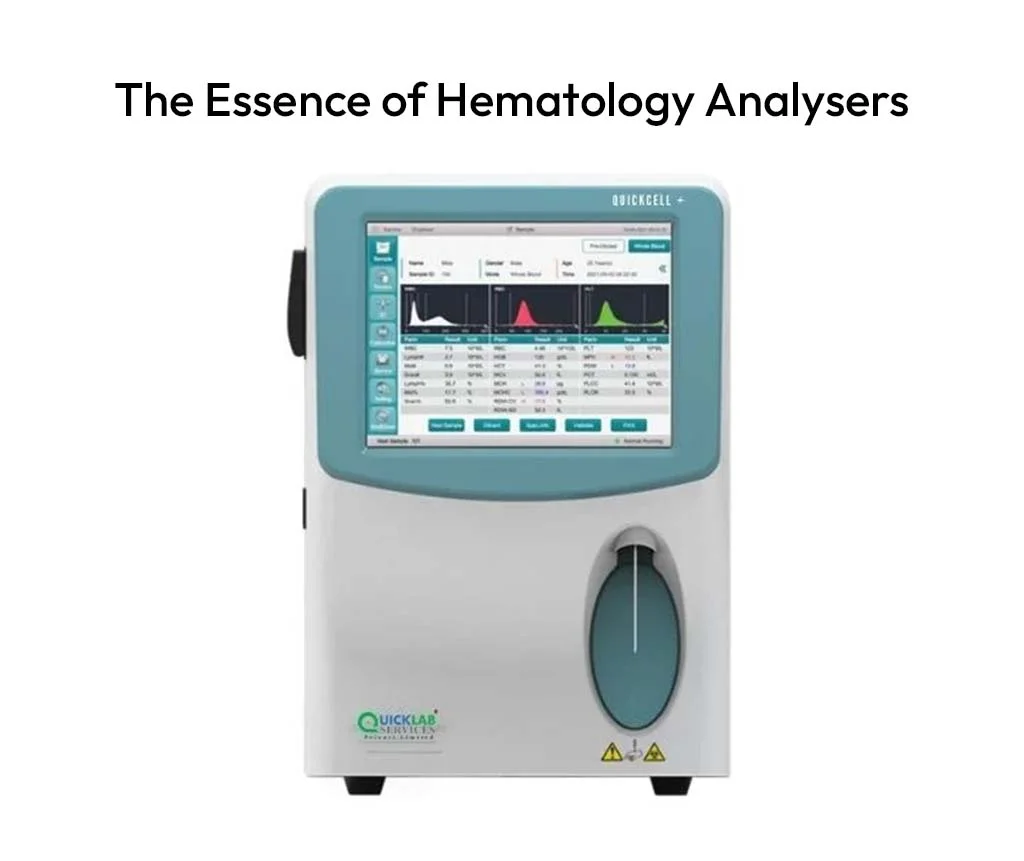
The 3-Part analyzer give 3-Part differential count of WBC/TLC. Neutrophils, Lymphocytes and it report rest other differential counts as others.It does report Hb, TLC, Platelets, and RBC etc.
Applications
- Routine blood counts
- Screening for basic hematological disorders
- Cost-effective and efficient for high-throughput laboratories
Advantages
- Faster results
- Economical
- Suitable for routine clinical use
Limitations
- Limited information on cell morphology
- Less detailed differentiation of white blood cell types
5-part Hematology Analyzer
Components Analyzed
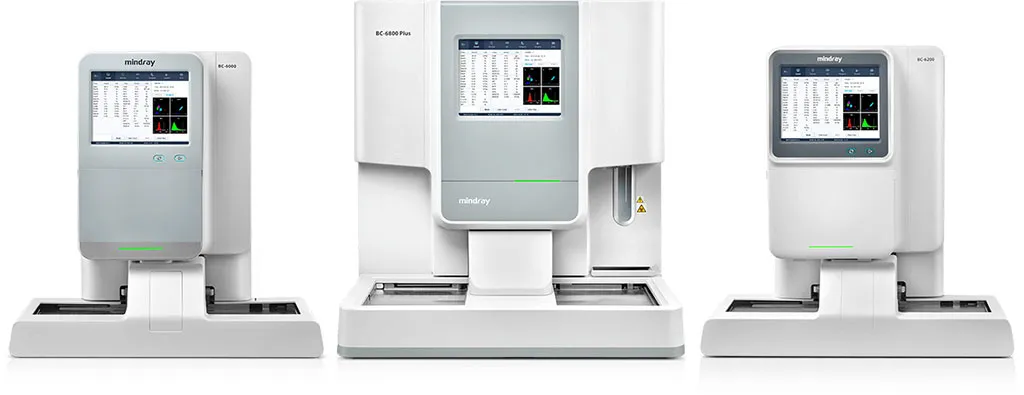
The 5 part reports 5 differential components of WBC/TLC. Namely Neutrophils, Lymphocytes, Eosinophils, Basophils and Monocytes. It does report HB, TLC, RBC, platelets etc.
Applications
- Comprehensive hematological profiling
- Precise differentiation of white blood cell subtypes
- Ideal for diagnosing complex hematological disorders
Advantages
- Enhanced specificity and sensitivity
- Detailed morphological information
- Accurate diagnosis of diverse blood-related conditions
Limitations
- Higher cost
- Longer analysis time compared to 3-part analyzers
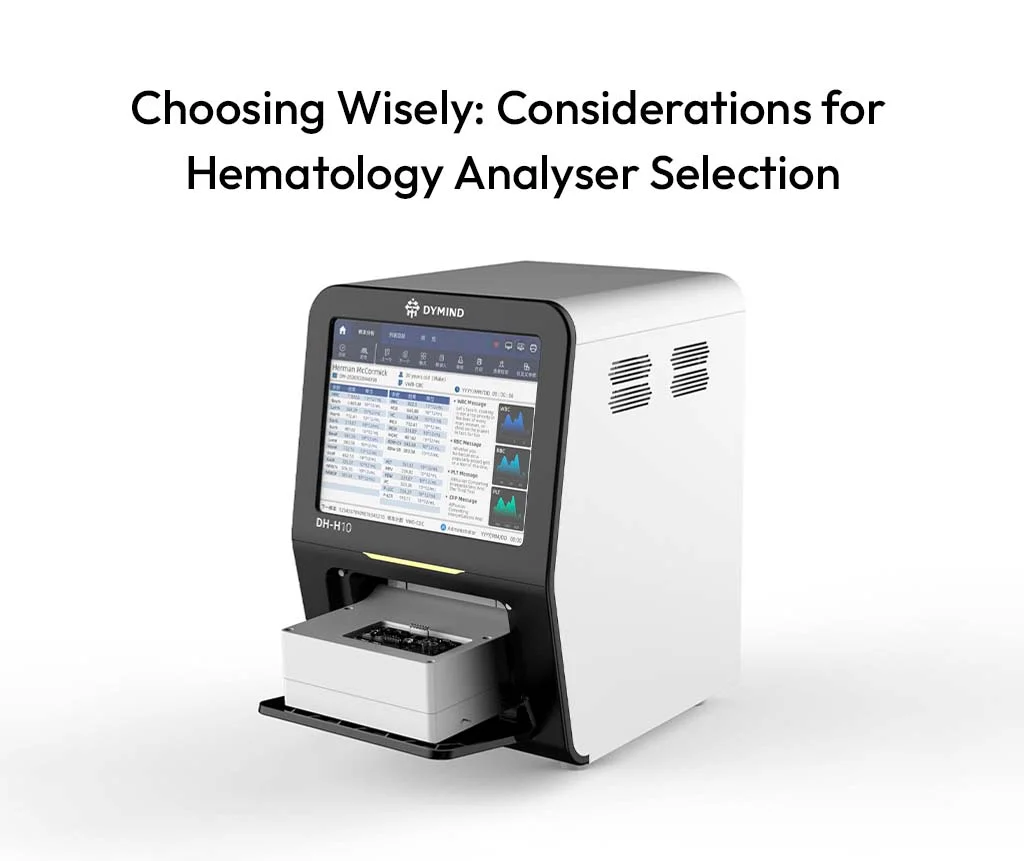
Clinical Requirements
The clinical context and specific diagnostic needs of the laboratory play a pivotal role in choosing between a 3-part and 5-part Analyzer.
Workload and Throughput
Laboratories with high sample volumes may opt for the efficiency of 3-part Analyzer, while those requiring detailed information on blood cell subtypes may favor the precision of 5-part Analyzer.
Budget Considerations
The financial aspect is a significant determinant, with 3-part Analyzer offering a cost-effective solution for routine analyses, while 5-part Analyzer involve a higher initial investment.
Striking the Hematological Balance
As laboratories navigate the choice between 3-part and 5-part Hematology Analyzer, it’s essential to strike a balance between diagnostic accuracy, efficiency, and economic considerations. The selection of these analyzers is not just a technical decision but a strategic one, influencing the quality of patient care and the efficiency of laboratory operations. By understanding the nuances of these analyzers, healthcare professionals can tailor their choices to align with the specific demands of their practice.